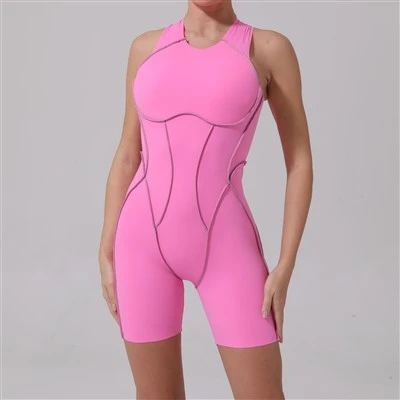
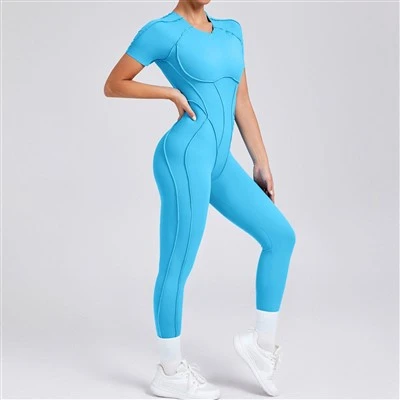
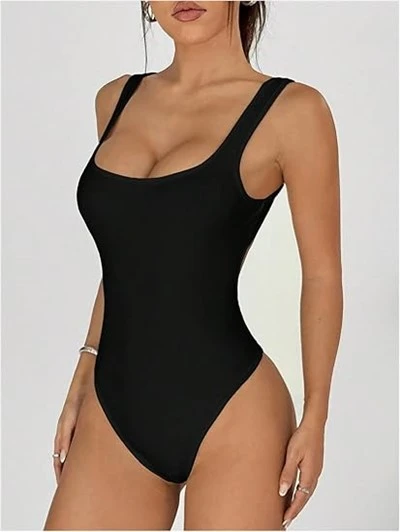
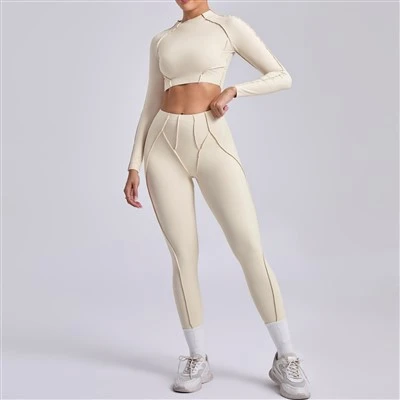
Why Choose Us
Product Application
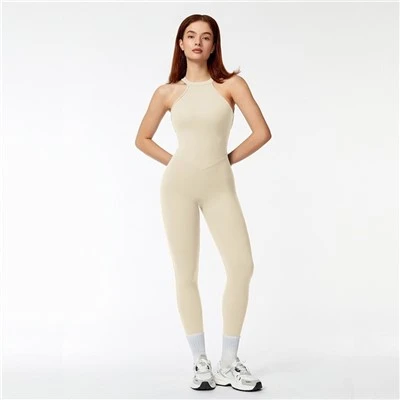
It can be worn at home, indoor gymnasium or outdoor parks and other public places; it can adapt to various sports and seasonal needs; it can help yoga fitness practitioners improve their health and shape their perfect body.
Our Certificate
The company adheres to the concept of healthy development and positive progress. The raw materials have undergone relevant monitoring, absolutely environmentally friendly and healthy, and have CCC, CB, SGS and other qualification certifications.
Production Equipment
We have 9 production lines, with a monthly output of about 800,000 pieces, nearly 100 sets of German Unit 4-needle 6-thread sewing machines, 100+ experienced sewing workers, more than 20 warehousing personnel, using ERP management system to efficiently manage inventory.
Production Market
The products are based on domestic and global markets. They are mainly sold to Europe, America, Australia, Southeast Asia, Hong Kong, Macao and Taiwan. We have established long-term and good cooperative relations with many major brands and major cross-border electrical products, and sales have maintained 50% increase year by year.
What is Women's Sportwear?
Women's sportswear encompasses a wide range of clothing items specifically designed for physical activity, exercise, and athletic performance. This category includes garments that cater to various sports and fitness activities, providing comfort, support, and style.
-
![Women's Black Bodysuit 3D Floral Patchwork Slim Fit Stretch]() Women's Black Bodysuit 3D Floral Patchwork Slim Fit StretchProduct name:Women's Black Bodysuit 3D Floral Patchwork Slim Fit Stretch
Women's Black Bodysuit 3D Floral Patchwork Slim Fit StretchProduct name:Women's Black Bodysuit 3D Floral Patchwork Slim Fit Stretch
Brand name: CHOOYOU
Tasty Macarons Action Figures Random Design Collectible Toys Logo: support customized... -
![Yoga Pants With Three-Dimensional Aesthetic For Sports]() Yoga Pants With Three-Dimensional Aesthetic For SportsProduct name:Yoga Pants with Three-Dimensional Aesthetic for Sports
Yoga Pants With Three-Dimensional Aesthetic For SportsProduct name:Yoga Pants with Three-Dimensional Aesthetic for Sports
Brand name: CHOOYOU
Tasty Macarons Action Figures Random Design Collectible Toys Logo: support customized logo... -
![Womens Sequined Embroidery Swimwear Shiny Plunge Pool Beach Bodysuit]() Womens Sequined Embroidery Swimwear Shiny Plunge Pool Bea...Product name:Womens Sequined Embroidery Swimwear Shiny Plunge Pool Beach Bodysuit
Womens Sequined Embroidery Swimwear Shiny Plunge Pool Bea...Product name:Womens Sequined Embroidery Swimwear Shiny Plunge Pool Beach Bodysuit
Brand name: CHOOYOU
Tasty Macarons Action Figures Random Design Collectible Toys Logo: support... -
![CHOOYOU Yoga Wear High-waisted Tummy Control]() CHOOYOU Yoga Wear High-waisted Tummy ControlProduct name:CHOOYOU Yoga wear high-waisted tummy control
CHOOYOU Yoga Wear High-waisted Tummy ControlProduct name:CHOOYOU Yoga wear high-waisted tummy control
Brand name: CHOOYOU
Tasty Macarons Action Figures Random Design Collectible Toys Logo: support customized logo
Color:... -
![CHOOYOU Seamless Knitted Yoga Set]() CHOOYOU Seamless Knitted Yoga SetProduct name:CHOOYOU Seamless knitted yoga set
CHOOYOU Seamless Knitted Yoga SetProduct name:CHOOYOU Seamless knitted yoga set
Brand name: CHOOYOU
Tasty Macarons Action Figures Random Design Collectible Toys Logo: support customized logo
Color: support... -
![CHOOYOU Yoga Bra Short Set]() CHOOYOU Yoga Bra Short SetProduct name:CHOOYOU Yoga bra short set
CHOOYOU Yoga Bra Short SetProduct name:CHOOYOU Yoga bra short set
Brand name: CHOOYOU
Tasty Macarons Action Figures Random Design Collectible Toys Logo: support customized logo
Color: support... -
![Women's Cut Out Tank Sexy High Cut Knitted Bodysuit]() Women's Cut Out Tank Sexy High Cut Knitted BodysuitProduct name:Women's Cut Out Tank Sexy High Cut Knitted Bodysuit
Women's Cut Out Tank Sexy High Cut Knitted BodysuitProduct name:Women's Cut Out Tank Sexy High Cut Knitted Bodysuit
Brand name: CHOOYOU
Logo: support customized logo
Color: support customized color
MOQ: 1 PCS -
![Seamless High-waisted Yoga Shorts For Women in Summer]() Seamless High-waisted Yoga Shorts For Women in SummerProduct name:Seamless high-waisted yoga shorts for women in summer
Seamless High-waisted Yoga Shorts For Women in SummerProduct name:Seamless high-waisted yoga shorts for women in summer
Brand name: CHOOYOU
Logo: support customized logo
Color: support customized color
MOQ: 1 PCS -
![Dusk-colored Contrast Color Tight One-piece Suit For Sports]() Dusk-colored Contrast Color Tight One-piece Suit For SportsProduct name:dusk-colored contrast color tight one-piece suit for sports
Dusk-colored Contrast Color Tight One-piece Suit For SportsProduct name:dusk-colored contrast color tight one-piece suit for sports
Brand name: CHOOYOU
Logo: support customized logo
Color: support customized color
MOQ: 1 PCS -
![Open-Back Form-Fitting Short-Sleeved Jumpsuit With Long Pants]() Open-Back Form-Fitting Short-Sleeved Jumpsuit With Long P...Product name:Open-Back Form-Fitting Short-Sleeved Jumpsuit with Long Pants
Open-Back Form-Fitting Short-Sleeved Jumpsuit With Long P...Product name:Open-Back Form-Fitting Short-Sleeved Jumpsuit with Long Pants
Brand name: CHOOYOU
Logo: support customized logo
Color: support customized color
MOQ: 1... -
![Women's Sports Vest Top For Fitness, Yoga, Running - Thin Straps]() Women's Sports Vest Top For Fitness, Yoga, Running - Thin...Product name:Women's Sports Vest Top for Fitness, Yoga, Running - Thin Straps
Women's Sports Vest Top For Fitness, Yoga, Running - Thin...Product name:Women's Sports Vest Top for Fitness, Yoga, Running - Thin Straps
Brand name: CHOOYOU
Tasty Macarons Action Figures Random Design Collectible Toys Logo: support customized... -
![Women Sexy Backless Bodysuit Sexy Square Neck Sleeveless]() Women Sexy Backless Bodysuit Sexy Square Neck SleevelessProduct name:Women Sexy Backless Bodysuit Sexy Square Neck Sleeveless
Women Sexy Backless Bodysuit Sexy Square Neck SleevelessProduct name:Women Sexy Backless Bodysuit Sexy Square Neck Sleeveless
Brand name: CHOOYOU
Tasty Macarons Action Figures Random Design Collectible Toys Logo: support customized logo...


Five Health Benefits of Having Appropriate Women's Sportwear
Health benefit: The right activewear can help your skin breathe
We all know that working out is good for us; it keeps our bodies functioning healthy, and can help to improve our mental wellbeing too. And, when you workout, you sweat.
Sweating is your body’s way of cooling you down. Working up a sweat means that you’re pushing yourself in your workout, and can be quite satisfying. However, that doesn’t mean that we have to suffer in sweaty silence every time we do exercise.
Health benefit: Sports bras can reduce breast pain & discomfort
If you’re planning on working up a sweat, then you need to pick the right bra. Whatever the exercise type or level of intensity, we cannot state the importance of wearing the right sports bra enough.
This is a classic case of women’s activewear that needs to do more than just look good: a good sports bra is an essential part of any woman’s gym kit.
Wearing a bra that doesn’t support you can put a huge strain on your breast tissue — especially when performing high-impact exercise. This can make your boobs feel achy, uncomfortable and even painful during exercise or after.
Health benefit: A supportive sports bra can prevent sagging
The importance of wearing a good sports bra stretches far beyond the immediate discomfort and pain, a poorly-chosen sports bra could even contribute to your breasts being more likely to sag in the long-term.
Choosing the right sports bra is particularly vital if you work out a lot; especially if you tend to do high-impact sports. This shouldn’t come as a surprise, but when you exercise, your boobs exercise with you.
Health benefit: Activewear can enhance performance & improve technique
Whether you’re running, swimming or lifting, the right activewear can even help to improve your technique and performance.
This compression enhances your athletic performance by increasing blood flow to and from your limbs, therefore keeping your muscles oxygenated and working better.
this boosts your performance — plus there’s even the added benefit of compression wear which prevents chafing and rashes that could make you uncomfortable during exercise.
Health benefit: Compression wear can even aid recovery
It makes sense that wearing the right activewear can support your body and add more enjoyment to your workout.
Compression wear applies pressure to your body, which stabilizes the muscle and decrease the amount of muscular vibration that happens when you’re exercising — like the shock running through your legs when you’re jogging on a hard pavement. Over time, these vibrations add up and create muscle fatigue, which can make your legs feel wobbly and weak, and negatively affect your performance.
Different Types of Athletic Wear for Women!
Tops with Tanks
This is a sleeveless shirt that both men and women use as an undershirt. Tank tops are frequently utilized with suits and formal shirts, although women more commonly and historically wear them as athletic and sportswear.
Shirts with Long Sleeves
These are an excellent addition to any woman’s exercise or fitness attire. In addition, long-sleeved tops and shirts are a style of sportswear for ladies who want to protect their arms when working in the gym or outdoors.
Pants for sweating
Sweat pants, which are more usually worn as casual trousers, are also among the most popular styles of sportswear worn by both male and female athletes. The original sweatpants were basic knitted grey jersey trousers, which were launched somewhere in the 1920s. The fabric used in these sweat trousers allowed athletes to run comfortably and stretch easily.
Leggings
While leggings or tights are not as famous as Capri pants or sweat shorts as sports outwear, they are quite advantageous for sporty ladies who are always looking for comfortable yoga pants. If you are among them, you must check out bandier, one of the market’s most fabulous curators who strive to redefine how women purchase sportswear.
Socks for Running
The idea is to avoid running socks that are 100 percent cotton. Cotton is one textile that gets wet readily and stays moist for as long as it is on your feet. This implies that if you sweat from your foot, the moisture and sweat will merely adhere to the socks.
Shoes for Running
When you are considering running shoes, you probably think of names like Puma and Reebok because they are two of the best sports footwear manufacturers. However, regarding women’s footwear, there are a few factors to consider.
Innerwear
Female athletes, in particular, must constantly keep an eye out for their chest when jogging or doing any high-intensity activity. To do so, athletes need the right innerwear that allows them to restrict mobility in the breast area, and sports bras are the most fantastic option of innerwear.
Bras for Sports
These have to be the most crucial innerwear training garments for ladies and are a must-have form of workout bra. The idea is to avoid women’s sports bras made of 100 percent cotton and instead choose those bras and leggings made of moisture-wicking fabric.
What types of materials are best for women's athletic wear?
Nylon: Nylon is a popular fabric for athletic wear because it's lightweight, durable, and quick-drying.sport bras are made with high-quality nylon that provides support and flexibility during high-performance activities.
Polyester: Polyester is another popular material for athletic wear because it's moisture-wicking, easy to care for, and durable.Yoga leggings are made with a polyester-spandex blend that offers comfort and support during workouts.
Spandex: Spandex is a stretchy material that's often blended with other fabrics to add flexibility to athletic wear. Our sports bras are made with a spandex blend that offers a comfortable, form-fitting fit that's perfect for yoga and other low-impact activities.
When shopping for athletic wear, make sure to check the fabric content and choose materials that are comfortable and functional for your preferred activities. we are committed to providing you with the highest quality materials to enhance your performance.
Polyester - It'S Everywhere
Polyester is the most popular fabric in sportswear and athleisure for several reasons - it's cheap, it's durable, and it has a variety of properties that make it ideal for activewear. Polyester is often blended with other fabrics to create a more versatile garment.
Spandex/Elastane - The Stretchy Stuff
Spandex, also known as elastane, is a synthetic fiber that was first developed in the 1940s. Known for comfort and performance, this fabric has incredible stretch and recovery properties - it can be stretched up to five times its original length and will return to its original shape when released.
Nylon - Strong And Durable
Nylon is a synthetic polymer that was first developed in the 1930s as a replacement for silk. This fabric is strong and durable, making it ideal for activewear garments that will see a lot of wear and tear.
Merino Wool - The Natural Fiber
Merino wool is a type of wool that comes from the merino sheep, a breed that was originally from Spain but now can be found all over the world. This wool is incredibly soft and has excellent moisture-wicking properties, making it ideal for activewear.
Mmcfs - The "New" Player
MMCFs (Man-Made Cellulosic Fibers) are a "new" type of fabric that is made from wood pulp, a renewable and sustainable resource - this could be a variety of raw sources like eucalyptus, beech, bamboo, etc.
Global Women’s Activewear Market Drivers
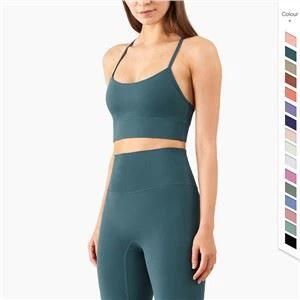


The market drivers for the Women’s Activewear Market can be influenced by various factors. These may include:
Growing Health Awareness: The demand for activewear, especially women’s sportswear, rises as more individuals engage in exercise activities and grow health-conscious.
Fashion Trends: Customers are looking for fashionable and trendy solutions for their training clothes, and activewear has turned into a fashion statement. The market for stylish activewear for women is being driven by this trend.
Athleisure Trend: Women’s activewear sales have increased dramatically as a result of the athleisure trend, which sees sportswear worn for daily wear as well as exercise.
Technological innovations: The performance and comfort of sportswear are improved by advances in fabric technology, such as moisture-wicking, compression, and stretch textiles, which piques consumers’ interest and increases demand.
Social Media and Influencer Marketing: Influencer marketing and social media platforms are important tools for promoting athletic brands and styles and swaying consumer decisions.
Developing Involvement in Sports and Fitness Activities: The market for women’s activewear is developing as a result of the rising number of women engaging in sports and fitness activities like yoga, running, and gym sessions.
Growing Disposable Income: Consumers are able to spend more on activewear, including high-end and designer labels, as their disposable income levels rise, especially in emerging nations.
Convenience and Comfort: Women who lead active lifestyles or participate in athleisure activities tend to favor activewear because it is made with comfort and ease of movement in mind..
Learn To Take Care Of Your Women's Sportwear
Add a Pinch Of Salt
Adding a teaspoon of salt when you wash your sportswear for the first time can make a big difference. Thanks to the elements in the salt, the color can stay more vibrant for a longer period of time.
Avoid excess detergents/soap
Many people think that the more detergent or soap they use, the cleaner their clothes will be after a workout. Excess detergent can cause a build-up of soap residue that can trap bad odors on your clothes.
Use a mild detergent, as strong detergents can cause irritation, especially in intimate areas, which can lead to worse things like infection. Instead, I recommend using a hypoallergenic or mild soap.
Do not use bleaches or fabric softeners
Bleaches work well for white clothes, but they can also work against you if you don't use them correctly. Using bleach and fabric softeners can deteriorate the materials of your favorite activewear, wearing them down and creating holes in your clothes.
Always wash your workout clothes by hand
Although sportswear is much more durable and resistant than other clothes, washing it in the washing machine can deteriorate your clothes over time. If you don't have time to do it, I recommend that you use your washing machine on a very gentle cycle with a delicate soap that takes care of your clothes.
Don't wait to wash your sweaty clothes
Bacteria that remains on your clothes after exercising can start to cause bad odors if you take too long to wash them.
Wash your clothes separately
Don't forget to wash your exercise clothes separately, even if their colors are similar. This prevents the colors from passing from one garment to another, staining them completely. When you go to wash them, make sure your clothes are inside out, as this can prevent the color from transferring and completely damaging your favorite clothes.
Wash activewear with cold water
Another very simple way to prevent your clothes from losing color is to wash them with cold water. Hot water can cause certain stains (like sweat) to remain permanently on your clothes. Cold water also prevents shrinkage.
Do not use a dryer
The intense heat of the dryers can affect the shape of your garments, and since clothes can shrink when exposed to heat, dryers can reduce the elasticity of the fabric and even melt them. If you are in a hurry and need to dry your clothes quickly, choose a very low temperature drying setting so that your clothes don’t get too hot.
Our Factory
With its own powerful factory and covering an area of nearly 9,000 square meters, it possesses strong production capability and warehouse storage capacity. It has introduced nearly 100 sets of German Unit four-needle six-thread sewing machines, invited 100+ experienced sewing workers and excelled in keyhole, ironing, cloth-drawing and other processes, building a complete scientific production system to comprehensively improve production efficiency and strict Control product quality.

FAQ
We're professional women's sportwear manufacturers in China, specialized in providing high quality customized products. We warmly welcome you to wholesale or buy bulk discount women's sportwear in stock here from our factory. Contact us for free sample.
women s sportswear, athletic apparel for women, women s tennis wear