Are base layers good for cycling?
Cycling is a dynamic and exhilarating sport that demands the right gear to enhance performance and comfort. Among the various pieces of cycling apparel, base layers often spark discussions about their necessity and benefits. As a base layers supplier, I'm here to delve into the science and practicality behind using base layers for cycling.
The Science of Base Layers
Let's start by understanding the fundamental function of base layers. In the realm of cycling, where the body is constantly in motion and generating heat, base layers play a crucial role in thermoregulation. They are designed to wick away moisture from the skin, preventing the accumulation of sweat that can lead to discomfort and even hypothermia in cold conditions.
The materials used in high - quality base layers are engineered with tiny channels that draw sweat away from the body through a process called capillary action. As the sweat evaporates from the outer surface of the base layer, it cools the body down, helping to maintain a stable internal temperature. This is especially important during long rides or intense training sessions when the body can quickly overheat.
Benefits of Base Layers for Cycling
Comfort
One of the most noticeable benefits of wearing a base layer while cycling is the improvement in comfort. Traditional cycling jerseys or shorts can sometimes rub against the skin, causing irritation and chafing. A base layer acts as a smooth barrier between your skin and the outer layers of clothing, reducing friction and minimizing the risk of uncomfortable abrasions.
The snug fit of a base layer also adds to the overall comfort. It contours to the body, providing a second - skin feel without restricting movement. This allows cyclists to focus on their ride without being distracted by ill - fitting or uncomfortable clothing.
Performance
Base layers can significantly enhance cycling performance. By keeping the body at an optimal temperature, cyclists can avoid the fatigue and discomfort that come with overheating or getting too cold. When the body is in a comfortable state, it can work more efficiently, allowing for better endurance and power output.
In addition, the moisture - wicking properties of base layers help to keep muscles hydrated. Dehydration can lead to muscle cramps and a decrease in performance. By removing sweat from the skin, base layers help to maintain the body's fluid balance, which is essential for peak performance.
Protection
Base layers also offer some level of protection. They can protect the skin from harmful UV rays, especially during long outdoor rides. Many base layers are treated with UV - resistant materials to provide an extra layer of defense.
Furthermore, in cold weather, base layers act as an insulating layer. They trap a thin layer of warm air close to the body, preventing heat loss and keeping the cyclist warm. This is particularly useful for early - morning or winter rides.
Our Base Layers for Cycling
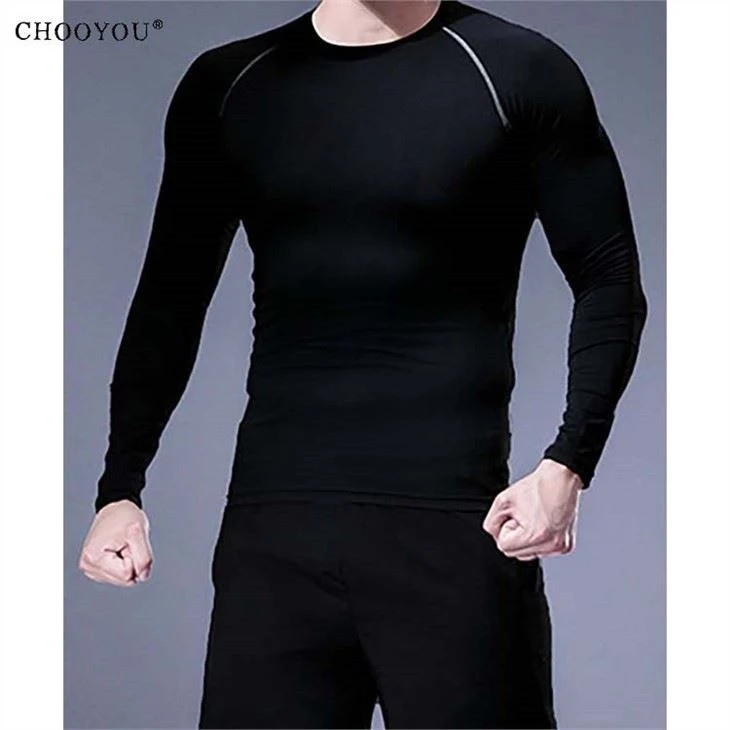
I'm proud to be part of a team that offers a range of high - quality base layers suitable for cycling. Our Yoga Quick Drying Clothes with Closed Cuffs are designed with the active cyclist in mind. The closed cuffs not only provide a snug fit but also help to prevent cold air from seeping in during cold rides. The quick - drying fabric ensures that sweat is quickly wicked away, keeping you dry and comfortable.
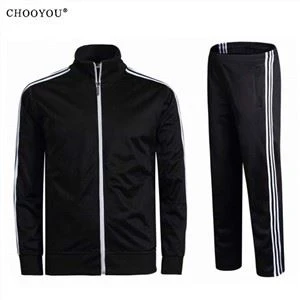
Our Fitness Yoga Zipper Quick Drying Clothes offer versatility. The zipper allows for easy ventilation control, so you can adjust your comfort level depending on the intensity of your ride and the weather conditions. The moisture - wicking properties of the fabric are also top - notch, making it a great choice for any cycling adventure.
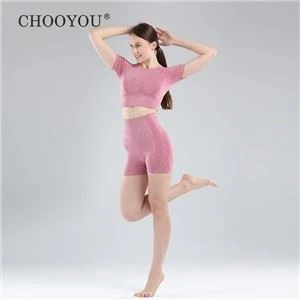
The Fast Drying Clothes Yoga Exercise are another excellent option. They are made from a high - performance fabric that dries incredibly fast, even in humid conditions. Whether you're riding in the heat or in a light drizzle, these base layers will keep you feeling fresh and dry.
Choosing the Right Base Layer
When choosing a base layer for cycling, there are several factors to consider.
Material
The most common materials for base layers are synthetic fabrics such as polyester and nylon. These materials are known for their excellent moisture - wicking properties. Merino wool is also a popular choice, as it is natural, breathable, and has antibacterial properties. It can keep you warm in cold weather and cool in warm weather.
Thickness
The thickness of the base layer depends on the weather conditions. For summer rides or in warm climates, a lightweight, thin base layer is ideal. It will provide just enough moisture - wicking without adding too much bulk. In winter or cold conditions, a thicker, insulated base layer is necessary to keep you warm.
Fit
A proper fit is crucial. The base layer should be snug but not too tight. It should allow for a full range of motion while cycling without bunching up or slipping down. A good fit ensures that the base layer can perform its function of wicking away moisture and regulating body temperature effectively.
Contact Us for Purchasing
If you're a cycling team, a bike shop owner, or an individual looking to purchase high - quality base layers for cycling, we'd love to hear from you. Our team is dedicated to providing the best products and services to meet your needs. Whether you need a small quantity for personal use or a large order for your business, we can accommodate.
We understand that every cyclist has unique requirements, and we're committed to helping you find the perfect base layer. Contact us for a personalized consultation, and let's start a discussion about how our base layers can enhance your cycling experience.
References
- Montain, S. J., & Coyle, E. F. (1992). Influence of sweating rate on骑车的performance and fluid balance in the heat. Medicine & Science in Sports & Exercise, 24(6), 651 - 657.
- Havenith, G. (2001). Clothing and thermoregulation. Temperature regulation in athletes, 28, 39.
- González - Alonso, J., Teller, C., & Andersen, S. L. (2006). Influence of dehydration on VO₂max, performance, and force production in man. Journal of Applied Physiology, 81(6), 2739 - 2746.
Remember, the right base layer can make a world of difference in your cycling performance and comfort. Don't hesitate to reach out and explore our range of base layers for your cycling needs.