Snowshoeing is a fantastic winter activity that combines the beauty of nature with a great workout. As an avid snowshoer and a supplier of high - quality base layers, I've seen firsthand the impact that the right base layer can have on your snowshoeing experience. In this blog, I'll explore whether base layers are good for snowshoeing and why you might want to consider adding them to your winter gear collection.
The Basics of Snowshoeing and Body Temperature Regulation
Snowshoeing is a physically demanding activity. When you're out on the trails, your body generates a significant amount of heat as you work your muscles to move through the snow. However, the cold winter air can quickly cool you down, especially if you're sweating. Maintaining a stable body temperature is crucial for both comfort and safety during snowshoeing.
Your body has a natural way of regulating temperature through sweating. When you exercise, your body releases sweat, which evaporates and cools you down. But in cold weather, if the sweat isn't managed properly, it can lead to a rapid drop in body temperature, increasing the risk of hypothermia. This is where base layers come in.
What Are Base Layers?
Base layers are the first layer of clothing you wear next to your skin. They are designed to wick moisture away from your body, keeping you dry and comfortable. There are different types of base layers available, made from various materials such as merino wool, synthetic fibers, or a blend of both.
Merino wool base layers are popular for snowshoeing because they are naturally breathable, odor - resistant, and have excellent insulating properties. They can keep you warm even when wet, which is a huge advantage in cold and snowy conditions. Synthetic base layers, on the other hand, are often lightweight, quick - drying, and can be more affordable. They are also great at wicking moisture and are sometimes treated with anti - microbial agents to reduce odor.
Benefits of Base Layers for Snowshoeing
Moisture Management
One of the primary benefits of wearing a base layer for snowshoeing is moisture management. As you sweat during your snowshoeing adventure, the base layer will draw the moisture away from your skin and allow it to evaporate on the outer surface of the fabric. This keeps your skin dry, preventing the uncomfortable feeling of wet clothing against your body and reducing the risk of getting cold.
For example, if you're snowshoeing up a steep hill and start to sweat, a good base layer will ensure that the sweat doesn't accumulate and make you feel chilled once you stop moving. Instead, it will keep you dry and help maintain a stable body temperature.
Insulation
Base layers also provide an extra layer of insulation. In cold winter conditions, every bit of warmth counts. A well - made base layer can trap a layer of warm air close to your body, acting as a barrier against the cold. Merino wool base layers are particularly effective in this regard, as they have a natural crimp in the fibers that creates tiny air pockets, which are excellent at retaining heat.
Comfort
Wearing a base layer can significantly enhance your comfort during snowshoeing. The smooth fabric of base layers reduces friction against your skin, preventing chafing and irritation. This is especially important when you're wearing other layers of clothing over the base layer, as it can prevent the rubbing that often occurs between different fabrics.
Odor Control
Since base layers are in direct contact with your skin, they can absorb sweat and body odor. Many base layers, especially those made from merino wool or synthetic materials treated with anti - microbial agents, are designed to control odor. This means that you can wear your base layer for multiple snowshoeing trips without it developing a strong, unpleasant smell.
Our Base Layer Products
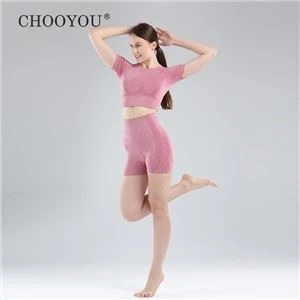
As a supplier of base layers, we offer a range of products suitable for snowshoeing. Our Yoga Quick Drying Clothes with Closed Cuffs are made from high - quality synthetic fibers that are extremely quick - drying. The closed cuffs help to keep the cold air out and provide an extra layer of warmth around your wrists.
Our Fast Drying Clothes Yoga Exercise are another great option. These base layers are lightweight and breathable, making them perfect for the physical activity of snowshoeing. They are designed to wick moisture away from your body quickly, ensuring that you stay dry and comfortable throughout your snowshoeing trip.
For those who prefer a more stylish option, our Lapel Quick Drying Clothes Yoga Training offer a unique lapel design. They are not only functional but also look great under your outer layers. The quick - drying fabric ensures that you don't have to worry about sweat accumulation.
Choosing the Right Base Layer for Snowshoeing
When choosing a base layer for snowshoeing, there are several factors to consider.
Material
As mentioned earlier, merino wool and synthetic materials are the two main options. If you're looking for natural insulation and odor control, merino wool is a great choice. However, if you want a lightweight, quick - drying option that is more affordable, synthetic base layers might be better for you.
Thickness
The thickness of the base layer depends on the temperature and the intensity of your snowshoeing. For milder winter days or if you tend to generate a lot of heat during exercise, a lightweight base layer might be sufficient. On colder days or for longer, more strenuous snowshoeing trips, a mid - weight or heavy - weight base layer will provide more insulation.


Fit
A proper fit is essential for a base layer. It should be snug but not too tight, as a tight - fitting base layer can restrict your movement and reduce blood circulation. At the same time, it shouldn't be too loose, as this can allow cold air to enter and reduce the effectiveness of the moisture - wicking properties.
Conclusion
In conclusion, base layers are definitely good for snowshoeing. They play a crucial role in moisture management, insulation, comfort, and odor control. By wearing a high - quality base layer, you can enhance your snowshoeing experience, stay warm and dry, and reduce the risk of cold - related injuries.
If you're interested in purchasing base layers for your next snowshoeing adventure, we'd love to have a conversation with you. We can provide more information about our products, help you choose the right base layer for your needs, and discuss pricing and ordering options. Feel free to reach out to us to start the procurement discussion.
References
- "Winter Sports and Outdoor Recreation" by Outdoor Recreation Research Institute
- "Textiles for Cold Weather Clothing" by Journal of Textile Science and Engineering