In the world of sportswear, base layers play a crucial role in enhancing performance and comfort. As a leading supplier of base layers, I often encounter the question: Are synthetic base layers better than natural ones? This blog post aims to explore this topic in depth, providing you with the information you need to make an informed decision.
Understanding Base Layers
Before delving into the comparison between synthetic and natural base layers, it's important to understand what base layers are and their functions. Base layers are the first layer of clothing worn next to the skin. They are designed to wick moisture away from the body, regulate body temperature, and provide a comfortable barrier between the skin and outer clothing.
The Case for Synthetic Base Layers
Synthetic base layers are made from man - made materials such as polyester, nylon, and spandex. These materials offer several advantages that make them a popular choice for many athletes and outdoor enthusiasts.
Moisture Wicking
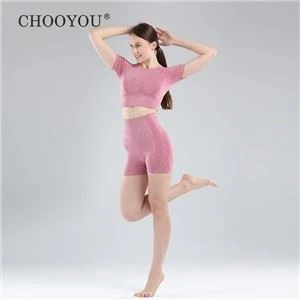
One of the most significant advantages of synthetic base layers is their excellent moisture - wicking properties. Synthetic fibers are engineered to pull sweat away from the skin and spread it across the surface of the fabric, where it can evaporate more quickly. This helps to keep the body dry and comfortable, even during intense physical activity. For example, our Yoga Quick Drying Clothes with Closed Cuffs are made from high - performance synthetic materials that can effectively wick away moisture, allowing you to focus on your yoga practice without the distraction of wet and sticky clothing.
Durability
Synthetic base layers are generally more durable than their natural counterparts. They are resistant to wear and tear, stretching, and shrinking. This means that they can withstand repeated washings and long - term use without losing their shape or performance. Whether you're using them for daily workouts or extreme outdoor adventures, synthetic base layers will last longer and maintain their functionality over time.
Quick Drying
Synthetic fabrics dry much faster than natural ones. This is particularly important for activities where you may get wet, such as hiking in the rain or sweating heavily during a workout. Fast - drying base layers allow you to quickly get back to your activity without having to wait for your clothes to dry. Our Fast Drying Clothes Yoga Exercise are designed to dry rapidly, ensuring that you stay comfortable throughout your yoga session.
Odor Resistance
Synthetic materials are often treated with antimicrobial agents that help to reduce odor. Since sweat can create a breeding ground for bacteria, which in turn causes unpleasant odors, odor - resistant synthetic base layers can keep you smelling fresh even after a long day of activity.
The Case for Natural Base Layers
Natural base layers are typically made from materials such as cotton, wool, or silk. These materials have their own unique set of advantages that make them a preferred choice for some people.
Breathability
Natural fibers, especially cotton and wool, are highly breathable. They allow air to circulate freely through the fabric, which helps to regulate body temperature and prevent overheating. This makes natural base layers a great option for activities in mild to moderate temperatures. For example, wool base layers can provide insulation in cold weather while still allowing moisture to escape, keeping you warm and dry.
Softness and Comfort
Natural materials are known for their softness and comfort against the skin. Cotton, in particular, is a gentle and hypoallergenic material that is suitable for people with sensitive skin. Wearing a natural base layer can feel like a second skin, providing a comfortable and cozy experience.
Biodegradability
From an environmental perspective, natural base layers are more sustainable than synthetic ones. Materials like cotton and wool are biodegradable, which means they will break down naturally over time, reducing their impact on the environment.
Performance in Different Environments
The choice between synthetic and natural base layers also depends on the environment in which you'll be using them.


Cold Environments
In cold environments, synthetic base layers are often the better choice. Their moisture - wicking and quick - drying properties help to prevent the body from getting cold due to wet clothing. Additionally, many synthetic base layers are designed with insulation properties that can keep you warm in freezing temperatures. However, wool base layers are also a popular option in cold weather. Wool has natural insulating properties and can retain warmth even when wet.
Warm Environments
In warm environments, breathability becomes a key factor. Natural base layers, especially those made from cotton, are more breathable and can help to keep you cool. However, if you're going to be sweating heavily, synthetic base layers may be more suitable as they can wick away moisture more effectively.
Humid Environments
In humid environments, synthetic base layers shine. Their ability to wick away moisture and dry quickly is essential in preventing the feeling of stickiness and discomfort. Natural base layers may absorb moisture but take longer to dry, which can make you feel even hotter and more uncomfortable in high humidity.
Considerations for Different Activities
Different activities also require different types of base layers.
High - Intensity Activities
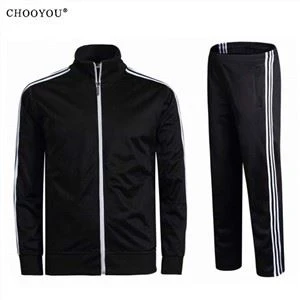
For high - intensity activities such as running, cycling, or intense workouts, synthetic base layers are usually the best choice. Their moisture - wicking, quick - drying, and odor - resistant properties make them ideal for keeping you comfortable during strenuous exercise. Our Lapel Quick Drying Clothes Yoga Training are perfect for high - intensity yoga training sessions, providing you with the performance you need.
Low - Intensity Activities
For low - intensity activities like walking or gentle yoga, natural base layers can be a great option. Their breathability and comfort make them suitable for less strenuous activities where you may not be sweating as much.
Making the Right Choice
Ultimately, the decision between synthetic and natural base layers depends on your personal preferences, the activities you engage in, and the environments you'll be in. If you value moisture - wicking, durability, and quick - drying properties, synthetic base layers are likely the better choice. On the other hand, if you prioritize breathability, softness, and environmental sustainability, natural base layers may be more suitable for you.
As a base layers supplier, we offer a wide range of both synthetic and natural base layers to meet your needs. Whether you're looking for a high - performance synthetic base layer for your next workout or a comfortable natural base layer for everyday wear, we have the perfect product for you.
If you're interested in purchasing our base layers or have any questions about our products, we invite you to contact us for a procurement discussion. We're committed to providing you with the best quality products and exceptional customer service.
References
- "Textiles for Cold Weather Apparel" by The Textile Institute
- "Performance Fabrics in Sportswear" by Woodhead Publishing