Sports vests have become a staple in the athletic world, not only for their stylish appearance but also for the potential support they offer to the back and shoulders. As a supplier of high - quality sports vests, I've had the opportunity to explore the science behind these garments and understand how they can impact the body during physical activities.
The Anatomy of Support
To understand whether sports vests support the back or shoulders, we first need to understand the anatomy of these areas. The back is a complex structure composed of the spine, muscles, ligaments, and tendons. The spine provides the body's main structural support, while the surrounding muscles, such as the erector spinae, help with movement and stability. The shoulders, on the other hand, are a ball - and - socket joint made up of the humerus, scapula, and clavicle, along with numerous muscles like the deltoids and rotator cuff muscles.

How Sports Vests Can Support the Back
One of the primary ways sports vests can support the back is through compression. Compression garments work by applying a gentle, even pressure to the muscles. This pressure can help improve blood circulation, which in turn delivers more oxygen and nutrients to the muscles. When it comes to the back, compression sports vests can target the erector spinae muscles. By providing support to these muscles, the vest can help reduce muscle fatigue during long - duration activities. For example, during a long - distance run or a strenuous weight - lifting session, the constant movement and strain on the back muscles can lead to fatigue. A well - designed sports vest can help alleviate this fatigue by supporting the muscles and allowing them to work more efficiently.
Another way sports vests can support the back is by providing postural support. Some sports vests are designed with reinforced panels or bands that are strategically placed to encourage proper alignment of the spine. These panels can help pull the shoulders back and keep the spine in a neutral position. This is particularly beneficial for activities that involve a lot of bending or twisting, such as yoga or golf. By maintaining proper posture, the risk of back injuries can be significantly reduced.
Shoulder Support from Sports Vests
Sports vests can also offer support to the shoulders. Similar to the back, compression is a key factor. Compression on the shoulder muscles can help improve blood flow, which can enhance muscle recovery. The deltoid muscles, which are the main muscles in the shoulders, can benefit from the support provided by a sports vest. During activities like swimming or basketball, the shoulders are constantly in motion, and the deltoid muscles can become overworked. A compression sports vest can help reduce the stress on these muscles and prevent injuries.
In addition to compression, some sports vests are designed with adjustable straps or shoulder - specific support features. These features can help distribute the weight evenly across the shoulders, reducing the strain on any one particular area. For example, in a weight - lifting scenario, a sports vest with proper shoulder support can help prevent the shoulders from bearing too much of the load, which can lead to shoulder impingement or other injuries.
Our Product Range
At our company, we offer a wide range of sports vests that are designed to provide optimal support to both the back and shoulders.
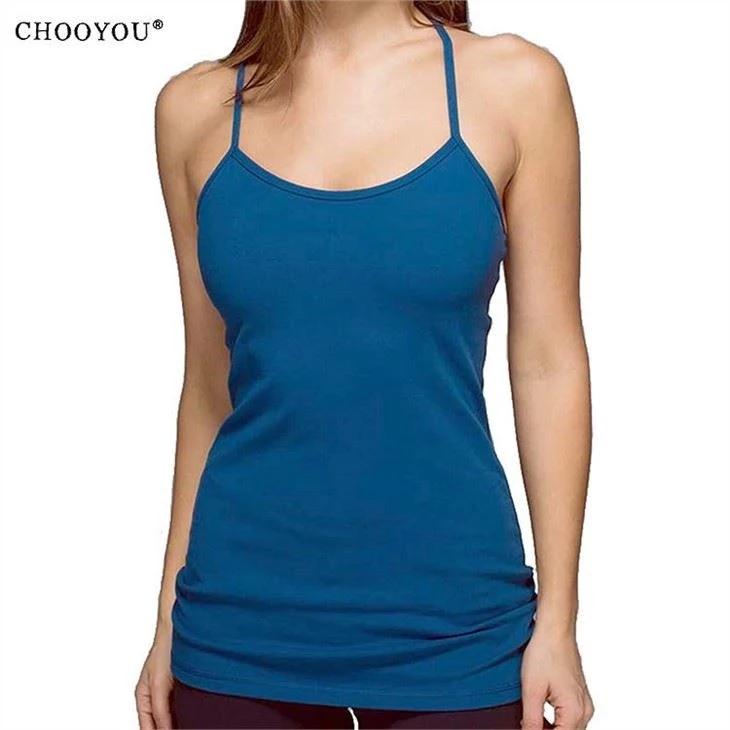
The Simple Sling Yoga Top Vest is a great option for yoga enthusiasts. It is made from a high - quality, breathable fabric that provides gentle compression to the back and shoulders. The sling design allows for a wide range of motion, making it perfect for all types of yoga poses. The fabric also wicks away sweat, keeping the body dry and comfortable during the practice.
The Narrow Shoulder Belt Low Neck Yoga Tank is another excellent choice. The narrow shoulder belts are adjustable, allowing for a customized fit. These belts provide targeted support to the shoulders, helping to maintain proper alignment during yoga movements. The low - neck design is not only stylish but also allows for unrestricted movement of the neck and shoulders.
The Yoga Sports Sleeveless U - Shaped Vest is designed with a unique U - shaped back that provides excellent support to the lower back. The sleeveless design gives the shoulders full freedom of movement, while the overall compression of the vest helps with muscle recovery. This vest is suitable for both yoga and other high - intensity sports activities.
The Importance of Choosing the Right Sports Vest
When it comes to choosing a sports vest for back and shoulder support, it's important to consider a few factors. First, the fit is crucial. A sports vest that is too tight can restrict movement and cause discomfort, while a vest that is too loose may not provide the necessary support. It's recommended to try on different sizes and styles to find the one that fits you best.
The material of the sports vest is also important. Look for vests made from breathable, moisture - wicking fabrics. These fabrics will keep you dry and comfortable during your workouts, reducing the risk of skin irritation.
Conclusion
In conclusion, sports vests can indeed support both the back and shoulders. Through compression, postural support, and targeted design features, they can help improve performance, reduce muscle fatigue, and prevent injuries. As a supplier of sports vests, we are committed to providing high - quality products that meet the needs of athletes at all levels. Whether you're a professional athlete or a casual fitness enthusiast, our range of sports vests can offer the support you need.
If you're interested in purchasing our sports vests for your retail store or for your team, we'd love to hear from you. Contact us to start a procurement discussion and find out how our products can benefit your customers or team members.
References
- Bandy, W. D., & Sanders, B. J. (2010). Therapeutic Exercise: Techniques for Intervention. Lippincott Williams & Wilkins.
- McArdle, W. D., Katch, F. I., & Katch, V. L. (2015). Exercise Physiology: Energy, Nutrition, and Human Performance. Lippincott Williams & Wilkins.
- Pandy, M. G. (2001). Biomechanics of the Spine. In J. D. Bronzino (Ed.), The Biomedical Engineering Handbook (2nd ed., pp. 1507 - 1524). CRC Press.