Hey there! As a supplier of base layers, I've got a ton of insights to share about how these nifty pieces interact with other fabrics. Let's dive right in!
What Are Base Layers Anyway?
First off, for those who might not be in the know, base layers are the first layer of clothing you wear next to your skin. They're super important, especially for activities like sports, outdoor adventures, or even just everyday wear in colder climates. The main job of a base layer is to wick away moisture from your body. When you sweat, you don't want that dampness sitting on your skin, making you feel cold and uncomfortable. A good base layer pulls that moisture away and spreads it out over a larger area so it can evaporate faster.
Interaction with Outer Layers
One of the key ways base layers interact with other fabrics is with outer layers. Outer layers, like jackets or shells, are usually designed to keep you warm, dry, and protected from the elements. When you pair a base layer with an outer layer, it's like a dynamic duo.
The base layer takes care of the moisture management, while the outer layer provides insulation and protection. For example, if you're going skiing, you'll wear a base layer made of a moisture-wicking fabric like merino wool or synthetic materials. Then, on top of that, you'll put on a waterproof and breathable ski jacket. The base layer keeps your skin dry, and the ski jacket keeps the snow and wind out.


But it's not just about function. The way the base layer and outer layer interact can also affect comfort. A good base layer should fit well and not bunch up under your outer layer. It should move with you as you go about your activities. If the base layer is too tight, it can restrict your movement, and if it's too loose, it can create extra bulk under your outer layer.
Interaction with Mid-Layers
Mid-layers are another important part of the clothing system. They're usually worn between the base layer and the outer layer and provide additional insulation. Common mid-layers include fleece jackets, sweaters, or down vests.
When a base layer interacts with a mid-layer, it's all about heat retention and moisture transfer. The base layer continues to wick away moisture, preventing it from getting trapped between the layers. This is crucial because if moisture builds up, it can reduce the insulating properties of the mid-layer.
For instance, if you're hiking in the mountains, you might wear a thin synthetic base layer, a fleece mid-layer, and a waterproof outer shell. The base layer will keep your skin dry, and the fleece mid-layer will trap warm air close to your body. The combination of the two layers helps you stay warm and comfortable, even in cold and windy conditions.
Compatibility with Different Fabrics
Base layers come in a variety of fabrics, each with its own unique properties. Let's take a look at how some of the most common base layer fabrics interact with other fabrics.
Merino Wool
Merino wool is a popular choice for base layers because it's naturally moisture-wicking, odor-resistant, and breathable. When paired with other fabrics, merino wool base layers play nicely. They can be worn under synthetic outer layers or natural fiber mid-layers.
For example, if you're wearing a synthetic ski jacket, the merino wool base layer will wick away moisture and prevent it from building up inside the jacket. And if you're wearing a cotton mid-layer, the merino wool base layer will still do its job of keeping your skin dry, even though cotton isn't the best at moisture management.
Synthetic Fabrics
Synthetic fabrics like polyester and nylon are also commonly used in base layers. They're known for their excellent moisture-wicking properties and durability. Synthetic base layers are often paired with other synthetic outer layers for maximum moisture management.
For example, a polyester base layer can be worn under a nylon shell for activities like running or cycling. The synthetic fabrics work together to quickly move moisture away from your body, keeping you dry and comfortable.
Bamboo
Bamboo base layers are becoming more popular due to their softness, breathability, and antibacterial properties. When paired with other fabrics, bamboo base layers can provide a comfortable and eco-friendly option.
For instance, a bamboo base layer can be worn under a wool mid-layer and a waterproof outer shell. The bamboo will wick away moisture, and the wool will provide insulation. It's a great combination for those who want a more natural and sustainable clothing system.
Our Base Layer Products
At our company, we offer a range of high-quality base layers that are designed to interact well with other fabrics. Check out some of our popular products:
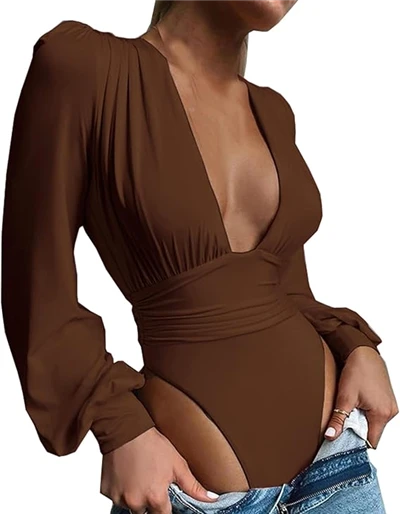
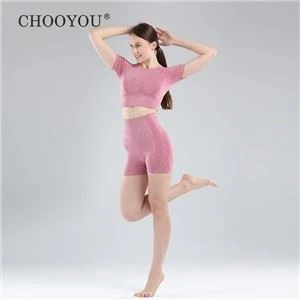
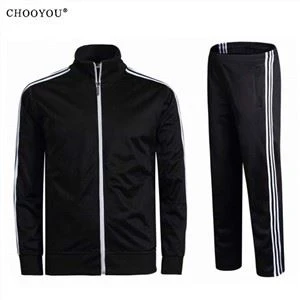
- Fitness Yoga Zipper Quick Drying Clothes: These base layers are perfect for yoga and other fitness activities. They're made of quick-drying fabric that wicks away moisture and allows for easy movement.
- Lapel Quick Drying Clothes Yoga Training: Ideal for yoga training, these base layers feature a lapel design and quick-drying properties. They'll keep you dry and comfortable during your workout.
- Fast Drying Clothes Yoga Exercise: These base layers are specifically designed for yoga exercise. They're made of fast-drying fabric that's breathable and lightweight.
Why Choose Our Base Layers?
There are a few reasons why our base layers are a great choice. First, we use high-quality materials that are carefully selected for their moisture-wicking, insulating, and breathable properties. This means that our base layers will work well with other fabrics in your clothing system.
Second, our base layers are designed with comfort in mind. They fit well and move with you, so you won't have to worry about any chafing or bunching. And third, we offer a variety of styles and colors to choose from, so you can find the perfect base layer to suit your needs and personal style.
Contact Us for Procurement
If you're interested in purchasing our base layers for your business or personal use, we'd love to hear from you. Whether you're a retailer looking to stock our products or an individual who wants to upgrade their clothing system, we can help.
Just reach out to us, and we'll be happy to discuss your requirements and provide you with more information about our base layers. We're committed to providing excellent customer service and high-quality products, so you can trust us to meet your needs.
References
- "Outdoor Clothing Systems: A Guide to Layering for Comfort and Performance" by Outdoor Research
- "The Science of Moisture Management in Clothing" by Textile Research Journal
- "Base Layers: The Foundation of Your Outdoor Wardrobe" by REI Co-op Journal