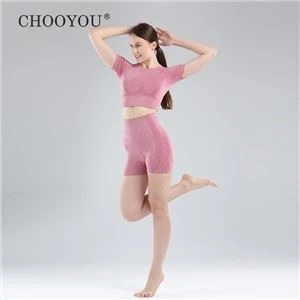
The leg hollow design has become a trendy feature in modern yoga suits, especially in our Fashionable Leg Hollow Yoga Suits. As a supplier of these stylish and functional yoga outfits, I've received numerous inquiries about how this unique design affects the durability of the fabric edges. In this blog, I'll delve into the scientific and practical aspects of this question, providing insights based on our experience in the industry.
Understanding the Leg Hollow Design
The leg hollow design is a distinctive aesthetic choice that adds a modern and fashionable touch to yoga suits. It typically involves creating openings or cut - outs on the sides or front of the legs, which not only enhances the visual appeal but also allows for better ventilation during yoga practice. However, this design also presents challenges in terms of fabric durability, especially at the edges of the cut - outs.
Factors Affecting Fabric Edge Durability
1. Tension and Stress Distribution
When a leg hollow is cut into the fabric, it changes the way tension is distributed across the material. In a traditional yoga suit without cut - outs, the fabric experiences relatively uniform stress during movement. But with the leg hollow design, the edges of the cut - out become points of concentrated stress. For example, when a wearer bends, stretches, or twists during yoga poses, the fabric around the leg hollow is pulled and stretched more than the rest of the suit. This uneven stress can lead to premature wear and tear at the fabric edges.
Scientifically, fabrics have a certain tensile strength, which is the maximum stress they can withstand before breaking. The leg hollow design can reduce the effective cross - sectional area of the fabric at the cut - out edges, thereby increasing the stress per unit area. Over time, this increased stress can cause the fibers in the fabric to break, leading to fraying and a decrease in durability.


2. Abrasion
Another factor that affects the durability of the fabric edges in leg hollow yoga suits is abrasion. During yoga practice, the legs come into contact with various surfaces, such as yoga mats, floors, or other parts of the body. The edges of the leg hollow are more exposed and are therefore more likely to rub against these surfaces. This abrasion can wear down the fabric fibers, causing them to become weak and eventually break.
For instance, if a wearer frequently kneels or sits on the mat, the edges of the leg hollow may rub against the rough surface of the mat. This repeated friction can cause the fabric to lose its integrity, resulting in frayed edges and a shorter lifespan for the yoga suit.
3. Seam Quality
The quality of the seams around the leg hollow is crucial for fabric edge durability. A well - constructed seam can help distribute stress more evenly and prevent the fabric from unraveling. However, if the seams are poorly made, they can become weak points in the design.
There are different types of seams that can be used in leg hollow yoga suits, such as overlock seams, zig - zag seams, or bonded seams. Overlock seams are commonly used as they enclose the raw edges of the fabric, preventing fraying. But if the overlock stitching is too loose or if the thread used is of low quality, the seam may not hold up well under stress. Bonded seams, on the other hand, use heat or adhesives to join the fabric edges. While they can provide a smooth and durable finish, they may be more prone to delamination if not properly applied.
Strategies to Improve Fabric Edge Durability
1. Fabric Selection
Choosing the right fabric is essential for ensuring the durability of leg hollow yoga suits. Fabrics with high tensile strength and good abrasion resistance are ideal. For example, nylon and spandex blends are commonly used in yoga wear due to their elasticity and durability. Nylon provides strength and abrasion resistance, while spandex adds stretch and flexibility.
Microfiber fabrics are also a great option. They are lightweight, breathable, and have excellent abrasion resistance. These fabrics can withstand the stress and friction associated with the leg hollow design, making them suitable for long - lasting yoga suits.
2. Reinforcement Techniques
To enhance the durability of the fabric edges around the leg hollow, various reinforcement techniques can be employed. One common method is to use binding tape. Binding tape is a narrow strip of fabric that is sewn around the edges of the cut - out. It helps to protect the fabric from fraying and distributes stress more evenly.
Another technique is to use heat - sealed edges. Heat - sealing involves applying heat to the fabric edges to melt and bond the fibers together. This creates a strong, smooth edge that is resistant to fraying and abrasion. However, heat - sealing requires specialized equipment and expertise to ensure a proper seal.
3. Design Optimization
The design of the leg hollow itself can also be optimized to improve fabric edge durability. For example, the shape and size of the cut - out can affect stress distribution. A well - designed leg hollow with smooth curves and rounded edges can help reduce stress concentration compared to a cut - out with sharp corners.
Additionally, the placement of the leg hollow can be strategic. Placing the cut - out in areas where the fabric experiences less stress during movement can help extend the lifespan of the suit. For example, avoiding placing the leg hollow near areas that are frequently stretched or bent, such as the inner thigh or knee, can reduce the risk of premature wear.
Our Fashionable Leg Hollow Yoga Suits
At our company, we take these factors into account when designing and manufacturing our Fashionable Leg Hollow Yoga Suits. We use high - quality nylon and spandex blends that offer excellent tensile strength and abrasion resistance. Our seams are carefully crafted using overlock stitching with high - quality thread to ensure durability.
We also pay close attention to the design of the leg hollow. Our designers use advanced CAD software to optimize the shape and placement of the cut - outs, ensuring even stress distribution and minimizing the risk of fabric edge damage. In addition, we reinforce the edges of the leg hollow with binding tape to provide extra protection.
If you're interested in our Fashionable Leg Hollow Yoga Suits, we also offer a range of other high - quality yoga outfits. Check out our Yoga Outfits For Women Seamless Suits Set, Seamless Yoga Workout Set High Waist, and Women’s 2 PCS Yoga Sports Suit.
Conclusion
The leg hollow design in yoga suits adds a fashionable and functional element to the clothing, but it also presents challenges in terms of fabric edge durability. By understanding the factors that affect durability, such as tension distribution, abrasion, and seam quality, and by implementing strategies to mitigate these issues, such as fabric selection, reinforcement techniques, and design optimization, we can produce leg hollow yoga suits that are both stylish and long - lasting.
If you're a retailer, distributor, or interested in purchasing our Fashionable Leg Hollow Yoga Suits in bulk, we'd love to have a conversation with you. We're committed to providing high - quality products and excellent customer service. Contact us to discuss your procurement needs and let's work together to bring these trendy yoga suits to your customers.
References
- ASTM International. (2019). ASTM D5034 - 19(2019) Standard Test Method for Breaking Strength and Elongation of Textile Fabrics (Grab Test).
- Gore, W. L., & Associates. (2020). Understanding Fabric Durability: Key Factors and Testing Methods.
- Textile Institute. (2018). Handbook of Textile Fibre Structure, Volume 1: Natural Fibres.