Snowmobiling is an exhilarating winter sport that combines speed, adventure, and the beauty of snow - covered landscapes. However, to fully enjoy this activity, proper gear is essential, and base layers play a crucial role. As a base layers supplier, I'm here to share some insights on how to choose the right base layers for snowmobiling.
Understanding the Function of Base Layers
Base layers are the first layer of clothing you wear next to your skin. Their primary functions are to wick moisture away from your body, regulate body temperature, and provide a certain degree of insulation. When snowmobiling, you'll generate a lot of heat from physical exertion, but at the same time, you're exposed to cold outdoor temperatures. A good base layer helps keep you dry and comfortable in this dynamic environment.
Materials Matter
The material of the base layer is the most important factor to consider. There are several common materials used in base layers, each with its own characteristics.
Merino Wool
Merino wool is a popular choice for snowmobiling base layers. It is naturally breathable, which means it can effectively wick moisture away from your skin. It also has excellent insulating properties, keeping you warm even when it's wet. Moreover, merino wool is odor - resistant, so you don't have to worry about unpleasant smells during long rides. However, merino wool base layers can be relatively expensive.
Synthetic Fabrics
Synthetic materials like polyester and nylon are also widely used. They are lightweight, quick - drying, and often more affordable than merino wool. Synthetic base layers are great at wicking moisture and can dry very fast, which is important when you're sweating. Some synthetic base layers are also treated with anti - microbial agents to reduce odor.
Blends
Many base layers are made from a blend of merino wool and synthetic fabrics. This combination aims to take advantage of the best properties of both materials. For example, a blend might offer the moisture - wicking ability of synthetics and the insulation and odor - resistance of merino wool.
Fit is Key
The fit of your base layer is another critical aspect. A base layer should fit snugly but not be too tight. A proper fit ensures that the base layer can effectively wick moisture and provide insulation. If it's too loose, air can get trapped between the layer and your skin, reducing its insulating efficiency. On the other hand, if it's too tight, it can restrict your movement, which is a big problem when you're snowmobiling.
Consider the Climate
The climate and weather conditions you'll be snowmobiling in should also influence your choice of base layers.
Cold and Dry Conditions
In extremely cold and dry conditions, you'll need a base layer with high - level insulation. Merino wool or a thick synthetic base layer would be a good option. You might also consider a base layer with a higher weight, as heavier base layers generally provide more warmth.
Cold and Wet Conditions
When it's cold and wet, moisture management becomes even more important. A base layer that can quickly wick away sweat and dry fast is essential. Synthetic materials or blends are often better suited for these conditions, as they can keep you dry and prevent you from getting chilled.
Additional Features
Some base layers come with additional features that can enhance your snowmobiling experience.
Seamless Design
Seamless base layers reduce friction and irritation, which is especially important when you're wearing the base layer for an extended period. They also provide a more uniform fit and can be more comfortable during movement.
Flatlock Seams
Flatlock seams are another feature that can improve comfort. These seams lie flat against the skin, reducing the risk of chafing.


Zip - Up Design
A zip - up base layer allows for better ventilation. You can easily open the zip to cool down when you're getting too hot, and close it when you need to retain heat.
Our Product Recommendations
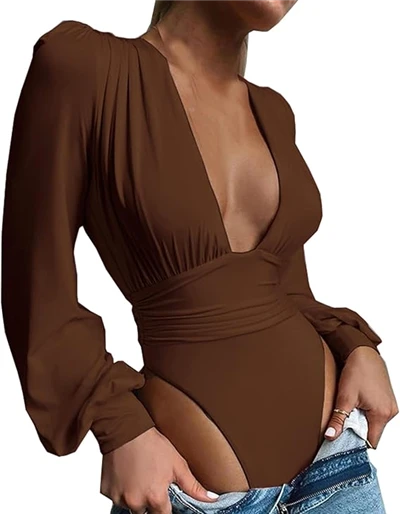
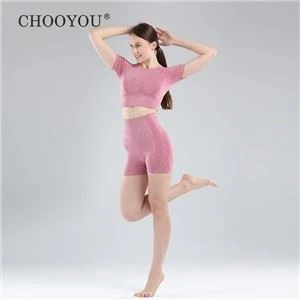
As a base layers supplier, we offer a range of high - quality base layers suitable for snowmobiling. For example, our Lapel Quick Drying Clothes Yoga Training are made from a synthetic blend that provides excellent moisture - wicking and quick - drying properties. They are also designed with a comfortable fit, making them perfect for snowmobiling.
Our Yoga Quick Drying Clothes with Closed Cuffs are another great option. The closed cuffs help to keep cold air out and provide extra insulation at the wrists. They are lightweight and breathable, ensuring you stay comfortable throughout your ride.
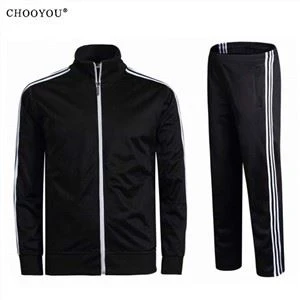
If you prefer a zip - up design, our Fitness Yoga Zipper Quick Drying Clothes are a top choice. The zipper allows for easy temperature regulation, and the quick - drying fabric keeps you dry even when you're sweating.
Conclusion
Choosing the right base layers for snowmobiling is essential for a comfortable and enjoyable experience. By considering factors such as materials, fit, climate, and additional features, you can find the perfect base layer for your needs. As a base layers supplier, we are committed to providing high - quality products that meet the demands of snowmobilers. If you're interested in our products or have any questions about choosing base layers, we encourage you to contact us for procurement and further discussions. We look forward to serving you and helping you have a great snowmobiling season.
References
- "The Ultimate Guide to Base Layers" by Outdoor Gear Lab
- "Winter Sports Clothing: A Comprehensive Review" by Sports Science Journal
- Manufacturer's product specifications and technical documents.