Hey there, sports enthusiasts! As a supplier of sports bottoms, I've seen firsthand how crucial it is to choose the right size. Ill-fitting sports pants can ruin your workout, whether it's a tight pair cutting off circulation or a loose one constantly slipping down. So, let's dive into how you can pick the perfect size of sports bottoms for your needs.
Understanding Your Body Measurements
Before you start shopping, you need to know your body measurements. The key measurements for sports bottoms are your waist, hips, and inseam.
Waist: To measure your waist, find the narrowest part of your torso, usually around your belly button. Wrap a measuring tape around this area, making sure it's snug but not too tight. Write down the measurement in inches or centimeters.
Hips: Measure the fullest part of your hips. Stand with your feet together and wrap the measuring tape around your hips, keeping it parallel to the floor. Again, note down the measurement.
Inseam: The inseam is the length from the crotch to the bottom of your leg. Stand straight with your feet slightly apart and measure from your crotch down to the floor or the desired length of your pants. This measurement is especially important for getting the right length of your sports bottoms.
Once you have these measurements, you're ready to start looking at size charts.
Reading Size Charts
Every brand has its own size chart, so it's important to check the specific chart for the sports bottoms you're interested in. Most size charts will list waist, hip, and inseam measurements corresponding to different sizes (e.g., small, medium, large).
Let's say your waist measures 32 inches, your hips are 38 inches, and your inseam is 30 inches. You'd look at the size chart and find the size that best matches these measurements. Sometimes, your measurements might fall between two sizes. In that case, it depends on your personal preference. If you like a more snug fit, you might go for the smaller size. If you prefer a looser fit, the larger size would be a better choice.
It's also worth noting that different styles of sports bottoms might fit differently even within the same brand. For example, Loose Casual Pants Yoga Fitness Exercise are designed to be more relaxed, so you might be able to go a size down if you want a slightly less baggy look. On the other hand, Popular Yoga Slim Pants Workout Exercise are meant to be form-fitting, so you'd want to stick to the size that closely matches your measurements.
Considering the Style of Sports Bottoms
The style of sports bottoms you choose can also affect the sizing. Here are some common styles and what to keep in mind when it comes to size:
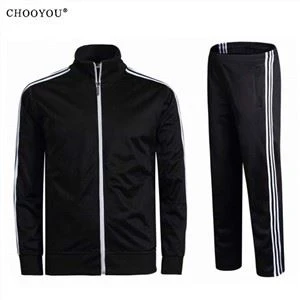
Track Pants: Track pants are usually looser and more comfortable for activities like running or casual workouts. They often have an elastic waistband, which can give you a bit more flexibility in sizing. If you're between sizes, you might want to go for the larger size to ensure a comfortable fit, especially if you plan to wear layers underneath.
Yoga Pants: Yoga pants are typically form-fitting to allow for a full range of motion. You'll want to choose a size that hugs your body without being too tight. Look for pants with some stretch, as this will make them more comfortable during yoga poses and other exercises. The Belt Button Yoga Pants Workout Training are a great example of yoga pants that combine style and functionality. Make sure to check the size chart carefully to get the right fit.
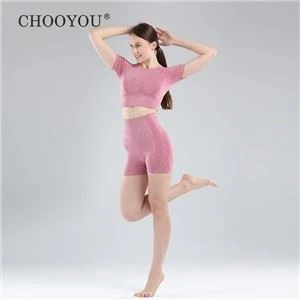
Shorts: When it comes to sports shorts, the length and fit are important. If you prefer shorter shorts, make sure the inseam measurement on the size chart matches your desired length. The waist size should fit comfortably without being too tight or too loose. Some shorts have a drawstring waist, which can help adjust the fit.
Trying Before Buying (If Possible)
If you have the opportunity to try on sports bottoms before buying, that's the best way to ensure the right fit. Go to a store and try on different sizes and styles. Pay attention to how the pants feel when you move around. Do they restrict your movement? Do they ride up or down? Are they comfortable around the waist and hips?
If you're shopping online, many retailers offer free returns or exchanges. Take advantage of this and order a couple of sizes if you're unsure. You can try them on at home and send back the ones that don't fit.


Other Factors to Consider
Fabric and Stretch: The fabric of your sports bottoms plays a big role in how they fit. Some fabrics have more stretch than others. For example, pants made with spandex or elastane will stretch more and conform to your body better. If you're looking for a more flexible fit, choose pants with a higher percentage of stretchy fabric.
Activity Level: Think about the type of activities you'll be doing in your sports bottoms. If you're into high-intensity workouts like CrossFit or running, you'll want pants that can keep up with your movements. A snug but stretchy fit is usually best for these activities. For more low-key activities like yoga or walking, you might prefer a looser fit.
Personal Preference: At the end of the day, it's all about what makes you feel comfortable. Some people like a super tight fit, while others prefer a more relaxed look. Don't be afraid to go against the size chart if your personal preference dictates otherwise.
Conclusion
Choosing the right size of sports bottoms is all about knowing your body measurements, reading size charts, considering the style and fabric, and trying on the pants if possible. By following these tips, you'll be able to find the perfect-fitting sports bottoms for your workouts.
If you're in the market for high-quality sports bottoms, we're here to help. As a sports bottoms supplier, we offer a wide range of styles and sizes to suit every need. Whether you're looking for Loose Casual Pants Yoga Fitness Exercise, Popular Yoga Slim Pants Workout Exercise, or Belt Button Yoga Pants Workout Training, we've got you covered.
If you have any questions or want to discuss your specific requirements, feel free to reach out. We're happy to assist you in finding the right sports bottoms for your customers.
References
- "The Ultimate Guide to Measuring Your Body for Clothing" - Various fashion and fitness blogs
- Brand-specific size charts from sports apparel manufacturers