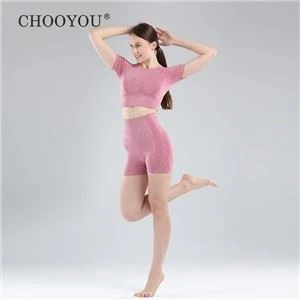
As a seasoned supplier of T-shirts and tops, I understand the paramount importance of breathability in these garments. In today's fast - paced world, whether you're an athlete, a fitness enthusiast, or someone who simply values comfort in daily wear, a breathable T - shirt or top can make a world of difference. In this blog, I'll share some professional insights on how to make T - shirts and tops more breathable.
Material Selection
The foundation of a breathable T - shirt or top lies in the choice of materials. Natural fibers are often a great starting point. Cotton, for instance, is a classic choice. It is a natural fiber that can absorb moisture and allow air to circulate through the fabric. However, not all cotton is created equal. Organic cotton, in particular, is grown without the use of harmful pesticides and synthetic fertilizers. This makes it not only more environmentally friendly but also softer and more breathable. When cotton fibers are spun into a looser weave, it further enhances breathability as it allows air to flow more freely through the fabric.
Another excellent natural fiber is linen. Linen is made from the fibers of the flax plant. It has a unique structure with hollow fibers that can wick away moisture quickly and efficiently. Linen tops are highly breathable and are perfect for warm weather. They also have a natural texture that gives them a stylish, rustic look.
For a more performance - oriented option, consider using bamboo fabric. Bamboo fabric is not only soft and comfortable but also has excellent moisture - wicking properties. It can absorb and evaporate sweat faster than many other materials, keeping the wearer dry and cool. Additionally, bamboo has natural antibacterial properties, which can help prevent unpleasant odors.


Synthetic fibers also have their place in breathable T - shirts and tops. Polyester, for example, can be engineered to have moisture - wicking capabilities. When combined with other fibers like cotton or spandex, it can create a fabric that is both breathable and durable. Nylon is another synthetic fiber that is often used in sportswear. It is lightweight, quick - drying, and can provide good ventilation.
Fabric Construction
The way the fabric is constructed also plays a crucial role in breathability. One important factor is the weave of the fabric. A loose weave, such as a plain weave or a basket weave, allows more air to pass through the fabric compared to a tight weave like a twill weave. For example, a T - shirt made with a loose plain weave cotton fabric will feel much more breathable than one made with a tight twill weave.
Mesh fabrics are also a great option for enhancing breathability. Mesh is a fabric with a network of holes or pores. It can be used in strategic areas of the T - shirt or top, such as under the arms, on the back, or around the collar, to provide targeted ventilation. For instance, our Simple Yoga Men's Top uses mesh panels in key areas to increase airflow and keep the wearer cool during yoga sessions.
Another aspect of fabric construction is the use of perforations. Perforated fabrics have small holes punched into them. These holes can significantly improve breathability by allowing air to circulate more freely. Perforations can be added to the fabric during the manufacturing process or as a post - production treatment.
Design Features
In addition to material and fabric construction, the design of the T - shirt or top can also impact breathability. Consider the length and fit of the garment. A shorter length can provide more ventilation around the waist area. A looser fit, especially around the torso and arms, allows air to flow more freely under the shirt. However, it's important to strike a balance between a loose fit and a baggy one, as an overly baggy shirt may not be as practical or stylish.
The collar and sleeve design can also affect breathability. A V - neck collar, for example, can provide more airflow around the neck area compared to a crew - neck collar. Short sleeves or sleeveless designs are generally more breathable than long sleeves. Some tops also feature raglan sleeves, which have a wider opening at the shoulder and can improve ventilation.
Ventilation panels can be added to the design of the T - shirt or top. These panels can be made of mesh or other breathable materials and are strategically placed in areas where the body tends to sweat the most, such as the back and under the arms. Our Men' Yoga T-Shirt features ventilation panels on the back to ensure maximum breathability during intense yoga workouts.
Finishing Treatments
Finishing treatments can further enhance the breathability of T - shirts and tops. One common treatment is the application of a moisture - wicking finish. This finish helps the fabric to draw moisture away from the body and towards the outer surface of the fabric, where it can evaporate more easily. Another treatment is the use of a hydrophilic coating. This coating can increase the fabric's ability to absorb and hold moisture, improving its breathability.
Anti - microbial finishes can also be beneficial. By preventing the growth of bacteria on the fabric, these finishes can help to keep the garment fresh and odor - free. This is especially important for breathable T - shirts and tops that are likely to be worn during physical activities.
Product Testing
Once the T - shirts and tops are manufactured, it's essential to conduct thorough product testing to ensure their breathability. One common test is the moisture management test. This test measures how well the fabric can absorb, transfer, and evaporate moisture. A good breathable fabric should have a high rate of moisture absorption and evaporation.
Another test is the air permeability test. This test measures the amount of air that can pass through the fabric under a specific pressure. A higher air permeability indicates better breathability.
We take pride in our products' quality and performance. For example, our Breathable Yoga Top Workout has undergone rigorous testing to ensure it meets the highest standards of breathability.
Conclusion
Making T - shirts and tops more breathable requires a combination of careful material selection, appropriate fabric construction, thoughtful design features, and effective finishing treatments. By focusing on these aspects, we can create T - shirts and tops that not only look great but also provide maximum comfort and performance.
If you're interested in sourcing high - quality, breathable T - shirts and tops for your business, we'd love to have a conversation with you. Our team of experts can provide you with detailed information about our products, including material options, design capabilities, and pricing. We're committed to helping you find the perfect solutions for your customers.
References
- Textile Institute. "Handbook of Textile Fibres." Woodhead Publishing, 2018.
- ASTM International. "Standards for Textile Testing." ASTM International, 2022.