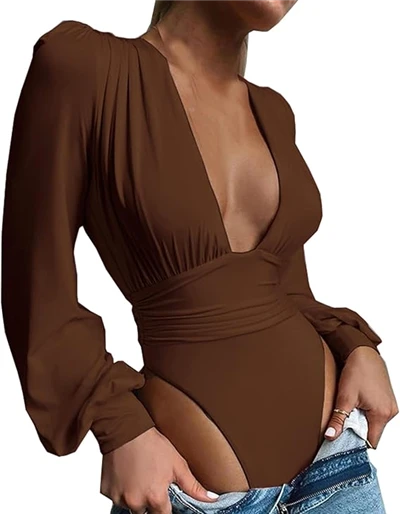
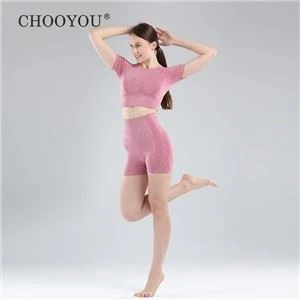
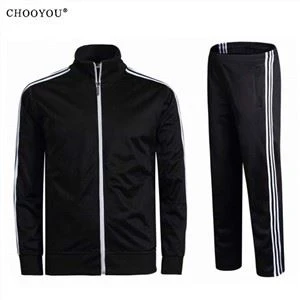
When it comes to camping, having the right base layers is crucial for a comfortable and enjoyable experience. Base layers are the first layer of clothing you wear next to your skin, and they play a vital role in regulating your body temperature, wicking away moisture, and providing insulation. As a base layers supplier, I've had the opportunity to work with a wide range of materials and designs, and I'm excited to share my insights on the best base layers for camping.
Understanding the Importance of Base Layers
Before we dive into the specific types of base layers, let's take a moment to understand why they are so important for camping. When you're out in the wilderness, your body is constantly exposed to changing temperatures, humidity, and physical activity levels. Base layers help to create a microclimate between your skin and the outer layers of clothing, keeping you dry, warm, and comfortable.
One of the primary functions of base layers is moisture management. When you sweat, your base layer should quickly wick away the moisture from your skin and transfer it to the outer layers, where it can evaporate. This helps to prevent the buildup of sweat, which can lead to chills and discomfort. Additionally, base layers can provide insulation, trapping a layer of warm air close to your body to keep you warm in cold weather.
Types of Base Layer Materials
There are several different materials used in base layers, each with its own unique properties and benefits. Here are some of the most common materials you'll find:
Merino Wool
Merino wool is one of the most popular materials for base layers, and for good reason. It's a natural fiber that is soft, breathable, and moisture-wicking. Merino wool has excellent temperature-regulating properties, keeping you warm in cold weather and cool in hot weather. It also has natural odor-resistant properties, which means you can wear it for multiple days without it smelling.
One of the downsides of merino wool is that it can be more expensive than other materials. However, the quality and durability of merino wool base layers make them a worthwhile investment for serious campers.
Synthetic Fibers
Synthetic fibers, such as polyester and nylon, are another popular choice for base layers. They are lightweight, quick-drying, and moisture-wicking, making them ideal for high-intensity activities. Synthetic base layers are also typically more affordable than merino wool, making them a great option for budget-conscious campers.
However, synthetic fibers can sometimes feel less comfortable against the skin than natural fibers, and they may not have the same odor-resistant properties as merino wool.
Silk
Silk is a luxurious and lightweight material that is often used in base layers. It's soft, smooth, and breathable, making it comfortable to wear next to the skin. Silk also has excellent temperature-regulating properties, keeping you warm in cold weather and cool in hot weather.
One of the downsides of silk is that it can be delicate and require special care. It's also typically more expensive than synthetic fibers.


Choosing the Right Base Layer for Your Needs
When choosing a base layer for camping, there are several factors to consider, including the weather conditions, your activity level, and your personal preferences. Here are some tips to help you choose the right base layer:
Consider the Weather Conditions
The weather conditions you'll be camping in will play a big role in determining the type of base layer you need. If you'll be camping in cold weather, you'll want to choose a base layer that provides insulation, such as merino wool or a synthetic fleece. If you'll be camping in hot weather, you'll want to choose a base layer that is lightweight and breathable, such as a synthetic mesh or a silk blend.
Think About Your Activity Level
Your activity level will also affect the type of base layer you need. If you'll be engaging in high-intensity activities, such as hiking or climbing, you'll want to choose a base layer that is moisture-wicking and quick-drying, such as a synthetic fiber. If you'll be engaging in more low-intensity activities, such as fishing or sitting around the campfire, you may be able to get away with a less technical base layer.
Consider Your Personal Preferences
Finally, it's important to consider your personal preferences when choosing a base layer. Some people prefer the feel of natural fibers, such as merino wool or silk, while others prefer the performance of synthetic fibers. You may also want to consider the fit of the base layer, as well as the style and color.
Our Recommended Base Layers
As a base layers supplier, we offer a wide range of base layers to suit different needs and preferences. Here are some of our recommended base layers for camping:
Fitness Yoga Zipper Quick Drying Clothes
These base layers are made from a synthetic blend that is lightweight, quick-drying, and moisture-wicking. They feature a zippered front for easy ventilation, and they're perfect for high-intensity activities such as hiking and climbing.
Lapel Quick Drying Clothes Yoga Training
These base layers are made from a soft and breathable merino wool blend that provides excellent insulation and moisture management. They feature a lapel collar for added warmth, and they're perfect for cold weather camping.
Fast Drying Clothes Yoga Exercise
These base layers are made from a lightweight and breathable synthetic mesh that is perfect for hot weather camping. They're quick-drying and moisture-wicking, and they feature a relaxed fit for maximum comfort.
Conclusion
Choosing the right base layer for camping is essential for a comfortable and enjoyable experience. By considering the weather conditions, your activity level, and your personal preferences, you can choose a base layer that meets your needs. As a base layers supplier, we offer a wide range of high-quality base layers to suit different needs and preferences. If you're interested in learning more about our products or would like to place an order, please don't hesitate to contact us. We'd be happy to help you find the perfect base layer for your next camping trip.
References
- Outdoor Gear Lab. (n.d.). Base Layer Buying Guide. Retrieved from https://www.outdoorgearlab.com/guides/clothing/base-layer-buying-guide
- REI Co-op. (n.d.). Base Layers: How to Choose. Retrieved from https://www.rei.com/learn/expert-advice/base-layers.html
- The Adventure Junkies. (n.d.). The Best Base Layers for Camping. Retrieved from https://theadventurejunkies.com/best-base-layers-for-camping/