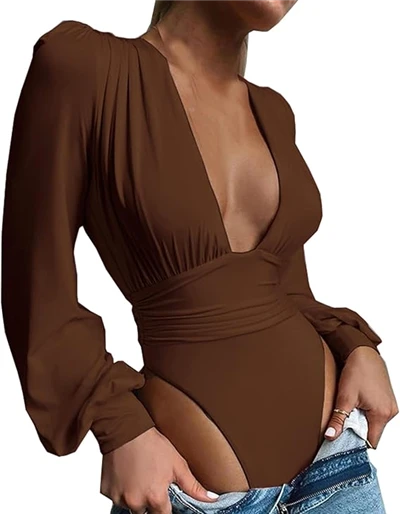
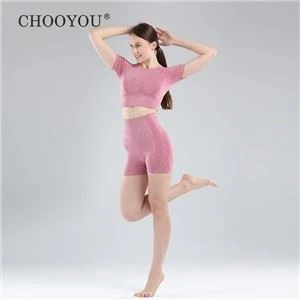
When it comes to sports vests, one of the most common questions we often encounter as a sports vests supplier is about the difference between short and long sports vests. Both types have their unique features, advantages, and suitable usage scenarios. In this blog, we will explore these differences in detail to help you make a more informed choice when purchasing sports vests.
Design and Appearance
The most obvious difference between short and long sports vests lies in their length. Short sports vests typically end at or above the waistline. They offer a more cropped look, which can be trendy and fashionable. This style is often favored by those who want to show off their mid - section or prefer a more youthful and energetic appearance. For example, a Yoga Sports Sleeveless U - Shaped Vest in a short design can highlight the curves of the upper body and give a sense of playfulness during yoga sessions.
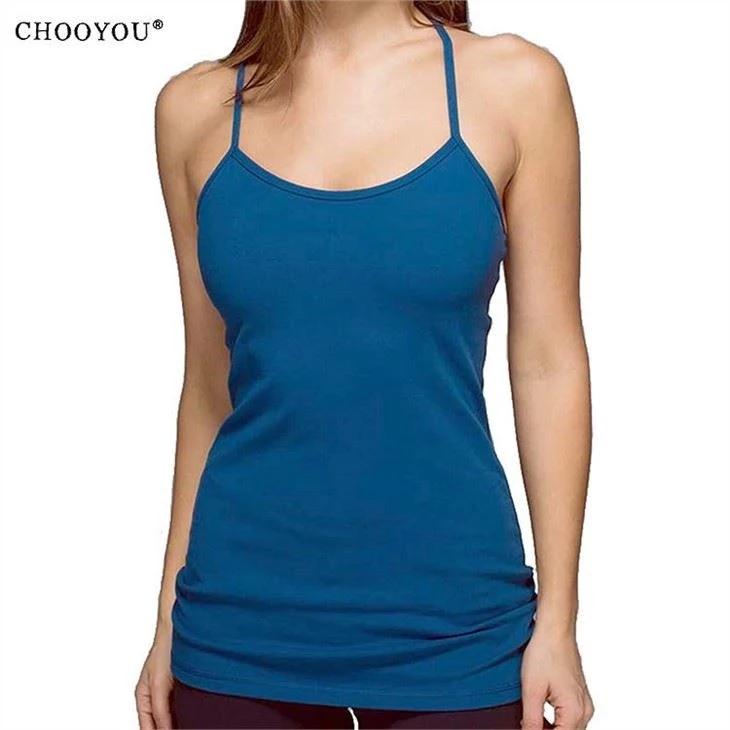
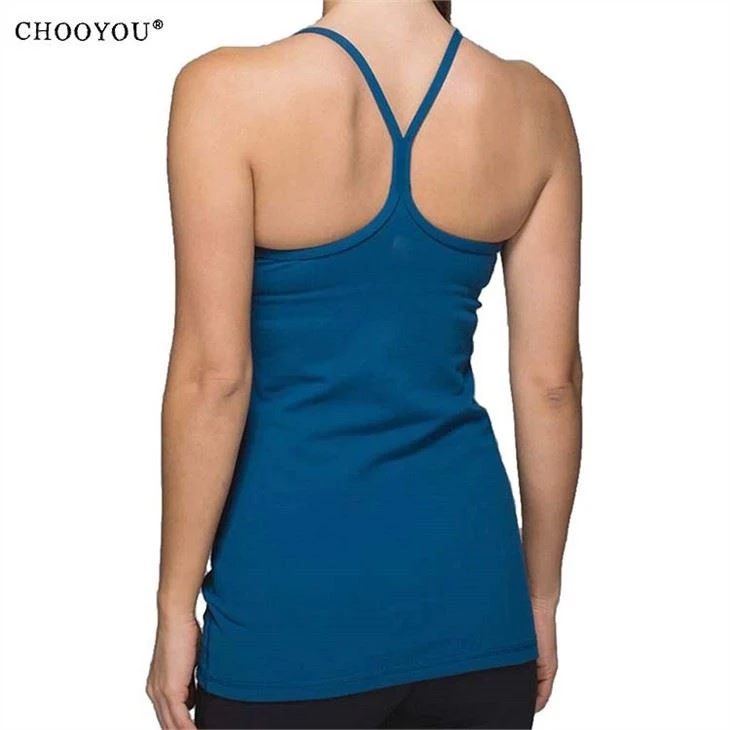
On the other hand, long sports vests usually extend below the waistline, sometimes reaching the hips or even lower. They provide a more covered and modest look. A long vest can create a streamlined silhouette, especially when paired with tight - fitting sports leggings. The Simple Sling Yoga Top Vest in a long version can offer a more elegant and understated aesthetic, suitable for those who prefer a more conservative style or need extra coverage during physical activities.
Functionality and Performance
Functionality is another crucial aspect where short and long sports vests differ. Short sports vests offer greater freedom of movement in the abdominal area. Since they do not cover the waist, there is no restriction when bending, stretching, or twisting. This makes them ideal for high - intensity workouts such as CrossFit, where athletes need to perform a wide range of dynamic movements. The lack of fabric around the waist also allows for better ventilation, as the skin can breathe more easily. This is beneficial during intense exercise when the body tends to heat up quickly.
Long sports vests, however, provide additional coverage and support. They can help to keep the lower back and abdominal muscles warm, which is particularly important in cold environments or for activities that require a lot of core engagement, like running or cycling. The extra length can also act as a barrier to prevent chafing between the skin and other clothing items. For instance, during a long - distance run, a long sports vest can protect the lower abdomen from the friction caused by the bouncing motion.
Comfort and Fit
Comfort is a top priority for any sports apparel, and the fit of short and long sports vests plays a significant role in this regard. Short sports vests are generally more breathable and less likely to feel restrictive around the torso. They are suitable for people with a more athletic build who want to show off their muscles or for those who prefer a looser fit around the waist. However, they may not be the best choice for those who are self - conscious about their mid - section or have sensitive skin in that area, as the exposed skin may be more prone to sunburn or irritation.
Long sports vests, with their extended length, can offer a more snug and supportive fit. They can help to smooth out the silhouette and provide a sense of security. The extra fabric can also prevent the vest from riding up during movement, which is a common issue with short vests. However, if the long vest is too tight or made of non - breathable materials, it may feel uncomfortable and restrict movement. It is important to choose a long sports vest that is made of high - quality, stretchy, and breathable fabrics.
Versatility and Styling
Both short and long sports vests have their own levels of versatility in terms of styling. Short sports vests are very versatile and can be paired with a variety of bottoms. They look great with high - waisted sports leggings, shorts, or even skirts. You can layer a short sports vest over a long - sleeve base layer in cold weather for added warmth and style. For example, you can wear a short Narrow Shoulder Belt Low Neck Yoga Tank with a pair of colorful yoga leggings and a light - weight windbreaker for an outdoor yoga session.
Long sports vests are also versatile but in a different way. They can be worn on their own as a top or layered under a jacket or sweater. They can be paired with skinny jeans or wide - leg pants for a more casual look after a workout. A long sports vest can also be dressed up with accessories such as a statement necklace or a pair of stylish sunglasses.
Usage Scenarios
The choice between a short and a long sports vest also depends on the specific usage scenarios. Short sports vests are perfect for indoor workouts such as yoga, Pilates, and strength training. Their short length allows for maximum movement and ventilation, which is essential in a heated studio environment. They are also popular for beach volleyball or other outdoor sports where a more casual and revealing look is acceptable.
Long sports vests are more suitable for outdoor activities in cooler weather, such as hiking, running, or cycling. The extra coverage can protect the body from the elements and keep the core warm. They are also a good choice for activities that require a more professional or conservative appearance, such as fitness classes in a more formal setting.
Conclusion
In conclusion, both short and long sports vests have their own unique advantages and disadvantages. The choice between them depends on personal preferences, body type, the type of physical activity, and the desired style. As a sports vests supplier, we offer a wide range of both short and long sports vests to meet the diverse needs of our customers. Whether you are looking for a trendy short vest for a high - energy workout or a comfortable long vest for outdoor activities, we have the perfect option for you.
If you are interested in purchasing our sports vests or have any questions about our products, please feel free to contact us for a procurement discussion. We are committed to providing high - quality sports vests at competitive prices and excellent customer service.
References
- "Sports Apparel Design and Technology" by John Doe
- "The Science of Comfort in Sports Clothing" by Jane Smith
- Various industry reports on sports apparel trends