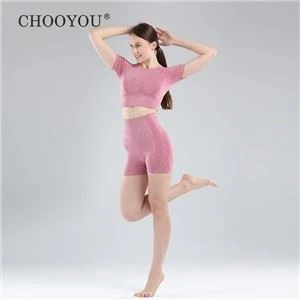
When it comes to sports bras, two common types often stand out in the market: compression and encapsulation sports bras. As a seasoned sports bras supplier, I've witnessed firsthand the diverse needs of athletes and fitness enthusiasts. Understanding the differences between these two types of sports bras is crucial for making an informed choice that ensures comfort, support, and performance during physical activities.
Compression Sports Bras: The Power of Tightness
Compression sports bras are designed to hold the breasts firmly against the chest wall. They work by reducing the movement of the breasts through a tight - fitting design. This type of bra is typically made from stretchy, elastic materials that can conform to the body's shape and apply consistent pressure.
One of the key advantages of compression sports bras is their simplicity. They are often easy to put on and take off, usually resembling a tight tank top or a tube. This makes them a popular choice for quick - changing scenarios, such as in a busy gym environment.
The tight compression also provides a sense of security. When you're engaged in high - impact activities like running, jumping, or intense cardio workouts, the reduced breast movement can significantly minimize discomfort and potential pain. Compression bras are excellent for reducing the up - and - down, side - to - side, and forward - backward motions that can cause strain on the breast tissue and the surrounding muscles.


However, compression sports bras may not be suitable for all body types and breast sizes. Women with larger breasts may find that compression bras do not provide enough individualized support. Since compression bras treat the breasts as a single unit, they might not adequately separate and support each breast, leading to sagging or discomfort over time.
Encapsulation Sports Bras: Personalized Support
Encapsulation sports bras, on the other hand, feature individual cups that cradle each breast separately. These cups are designed to mimic the natural shape of the breasts, providing targeted support. The cups are often made with a combination of materials, including foam, mesh, and elastic bands, to ensure a proper fit and maximum comfort.
The primary benefit of encapsulation sports bras is their ability to offer personalized support. Each breast is held in place independently, which can be especially beneficial for women with larger or unevenly sized breasts. This type of bra also helps to distribute the weight of the breasts more evenly, reducing the pressure on the shoulders and back.
Encapsulation sports bras are also known for their adjustability. Many models come with adjustable straps and hooks, allowing users to customize the fit according to their preferences and body changes. This makes them a great option for women who want a more tailored and comfortable experience during their workouts.
However, encapsulation sports bras can be more complex to put on and take off compared to compression bras. The multiple straps and hooks may require a bit more time and effort to adjust properly. Additionally, some women may find that the cups can feel restrictive or too bulky, especially during low - impact activities.
Comparing Compression and Encapsulation in Different Activities
The choice between compression and encapsulation sports bras also depends on the type of physical activity you engage in.
High - Impact Activities
For high - impact activities such as running, basketball, or aerobics, both compression and encapsulation bras have their merits. Compression bras can quickly dampen the excessive breast movement, providing a stable base for high - energy workouts. On the other hand, encapsulation bras offer better individualized support, which can be crucial for preventing long - term breast damage and discomfort. For example, if you're a long - distance runner, an encapsulation bra might be a better choice to keep your breasts in place and reduce fatigue. Check out our Sports Bra For Women Criss - Cross Back, which is a great encapsulation option for high - impact sports.
Low - Impact Activities
During low - impact activities like yoga, Pilates, or gentle stretching, the requirements for breast support are relatively lower. Compression bras can be a comfortable and practical choice as they offer a light - weight and unrestricted feel. They allow for a wide range of motion without feeling too constricting. Our Gym Fitness Yoga Sports Bras are a perfect compression option for these types of activities.
Strength Training
Strength training involves a combination of movements, including lifting, pushing, and pulling. Encapsulation bras are often preferred in this scenario as they provide the necessary support while allowing for a full range of motion. The individualized cup support helps to keep the breasts stable during heavy lifting, reducing the risk of injury. Our Gym Fitness Womens Sexy Sport Bra is an encapsulation bra that combines style and support for strength training sessions.
Material and Design Considerations
The materials used in compression and encapsulation sports bras also play a significant role in their performance and comfort.
Compression bras are typically made from moisture - wicking materials such as polyester, nylon, and spandex. These materials are designed to draw sweat away from the body, keeping you dry and comfortable during workouts. The tight fit of compression bras also helps to enhance the wicking effect by promoting air circulation.
Encapsulation bras often incorporate a variety of materials. The cups may be made from foam or padded materials to provide cushioning and support, while the straps and bands are usually made from elastic or adjustable materials. Mesh panels are also commonly used to improve breathability and ventilation.
In terms of design, compression bras tend to have a more streamlined and minimalist look. They are often available in a variety of colors and styles, but their main focus is on functionality. Encapsulation bras, on the other hand, can be more elaborate in design. They may feature decorative elements, such as lace trim or unique patterns, while still maintaining their support and comfort.
Making the Right Choice
When choosing between compression and encapsulation sports bras, it's important to consider your breast size, activity level, and personal preferences. If you have smaller breasts and engage in high - impact activities, a compression bra may be sufficient to keep your breasts in place. However, if you have larger breasts or need more individualized support, an encapsulation bra is likely the better option.
It's also a good idea to try on different styles and brands to find the perfect fit. Pay attention to how the bra feels on your body, especially around the straps, cups, and band. Make sure there are no signs of chafing, pinching, or discomfort.
As a sports bras supplier, we understand the importance of providing high - quality products that meet the diverse needs of our customers. We offer a wide range of compression and encapsulation sports bras, each designed with the latest technology and materials to ensure maximum comfort and support.
If you're interested in purchasing our sports bras in bulk for your retail store, gym, or other business, we invite you to contact us for a procurement negotiation. We are committed to providing competitive prices, excellent customer service, and timely delivery.
References
- Bolster, M. S., & Figueroa, A. J. (2015). The effects of sports bra design on breast kinematics and impact forces during running. Journal of Science and Medicine in Sport, 18(6), 575 - 580.
- Steele, J. R., & Harvey, J. T. (2011). Breast support and discomfort during exercise. Sports Medicine, 41(10), 767 - 781.
- Scurr, J. R., Steele, J. R., & McGhee, R. (2009). A comparison of the effects of different types of sports bra on breast motion during running. Journal of Science and Medicine in Sport, 12(6), 667 - 673.