Fabric thickness is a crucial factor when it comes to sport hoodies and jackets, influencing not only the comfort and performance of the wearer but also the overall functionality of the garment. As a leading supplier of sport hoodies and jackets, I understand the significance of fabric thickness in meeting the diverse needs of athletes and fitness enthusiasts. In this blog, I will delve into the concept of fabric thickness, its impact on sportswear, and how to choose the right thickness for different activities.
Understanding Fabric Thickness
Fabric thickness is typically measured in ounces per square yard (oz/yd²) or grams per square meter (g/m²). These measurements indicate the weight of the fabric per unit area, which directly correlates to its thickness. Generally, a higher weight means a thicker and denser fabric, while a lower weight indicates a thinner and lighter one.
In the context of sport hoodies and jackets, fabric thickness can vary widely depending on the intended use, climate, and personal preference. Thicker fabrics are often used for cold-weather sports or activities that require more insulation, while thinner fabrics are suitable for warm-weather sports or high-intensity workouts where breathability and moisture-wicking are essential.
Factors Affecting Fabric Thickness Selection
When selecting the fabric thickness for sport hoodies and jackets, several factors need to be considered:
Climate and Weather Conditions
The climate and weather conditions play a significant role in determining the appropriate fabric thickness. In cold climates, thicker fabrics such as fleece or wool blends are ideal for providing insulation and warmth. These fabrics trap body heat and prevent it from escaping, keeping the wearer comfortable in low temperatures. On the other hand, in warm climates, thinner fabrics like polyester or nylon blends are preferred for their breathability and moisture-wicking properties. These fabrics allow air to circulate and quickly evaporate sweat, keeping the wearer cool and dry.
Activity Level and Intensity
The activity level and intensity also influence the choice of fabric thickness. High-intensity workouts generate a lot of heat and sweat, so thinner, more breathable fabrics are recommended to prevent overheating and discomfort. For example, a runner or cyclist may prefer a lightweight, moisture-wicking hoodie or jacket that allows for maximum mobility and ventilation. In contrast, low-intensity activities such as yoga or stretching may require a slightly thicker fabric for added comfort and warmth.
Personal Preference
Personal preference is another important factor to consider when choosing fabric thickness. Some people prefer the feel of a thicker, more substantial fabric, while others prefer a lighter, more flexible one. It's essential to take into account your own comfort level and what works best for your body type and activity style.
Common Fabric Thicknesses for Sport Hoodies and Jackets
Here are some common fabric thicknesses used in sport hoodies and jackets and their typical applications:
Lightweight Fabrics (3 - 6 oz/yd² or 100 - 200 g/m²)
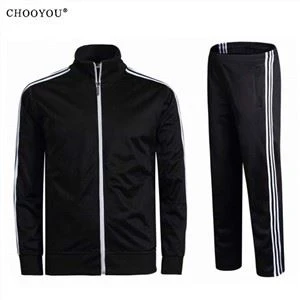
Lightweight fabrics are ideal for warm-weather sports and high-intensity workouts. They are thin, breathable, and moisture-wicking, allowing for maximum comfort and mobility. Examples of lightweight fabrics include polyester, nylon, and spandex blends. These fabrics are commonly used in running, cycling, and other aerobic activities. For instance, our Zipper Hoodie Custom Workout is made from a lightweight, moisture-wicking fabric that is perfect for intense workouts.


Midweight Fabrics (6 - 10 oz/yd² or 200 - 300 g/m²)
Midweight fabrics offer a balance between insulation and breathability, making them suitable for a wide range of activities and climates. They are thicker than lightweight fabrics but still allow for good air circulation. Midweight fabrics are often used in outdoor sports such as hiking, camping, and skiing. Examples of midweight fabrics include cotton blends, fleece, and microfiber. Our Popular Pullover V-Neck Sports Hoodie Workout is crafted from a midweight fabric that provides both comfort and warmth.
Heavyweight Fabrics (10+ oz/yd² or 300+ g/m²)
Heavyweight fabrics are designed for cold-weather sports and activities that require maximum insulation. They are thick, dense, and often made from materials such as wool, down, or thick fleece. Heavyweight fabrics are commonly used in winter sports like snowboarding, ice skating, and mountaineering. Our Popular Thick Fitness Hoodie is made from a heavyweight fabric that offers excellent warmth and protection in cold conditions.
Importance of Fabric Thickness in Sportswear
The right fabric thickness can significantly enhance the performance and comfort of sport hoodies and jackets. Here's why:
Insulation and Warmth
Thicker fabrics provide better insulation and warmth, keeping the wearer comfortable in cold temperatures. This is especially important for outdoor sports and activities where exposure to cold weather can pose a risk of hypothermia or frostbite. By choosing the appropriate fabric thickness, athletes can stay warm and focused, allowing them to perform at their best.
Breathability and Moisture-Wicking
Thinner fabrics are more breathable and moisture-wicking, which is essential for high-intensity workouts or warm-weather sports. These fabrics allow air to circulate and quickly evaporate sweat, preventing the build-up of moisture and keeping the wearer cool and dry. This helps to reduce the risk of chafing, skin irritation, and other discomforts associated with sweating.
Mobility and Flexibility
The fabric thickness also affects the mobility and flexibility of sport hoodies and jackets. Thinner fabrics are generally more flexible and allow for a greater range of motion, which is important for activities that require dynamic movements. On the other hand, thicker fabrics may be more restrictive, but they can still provide adequate mobility if designed correctly.
Choosing the Right Fabric Thickness for Your Needs
To choose the right fabric thickness for your sport hoodies and jackets, follow these steps:
Consider Your Activity
Think about the type of activity you will be doing and the climate conditions you will be exposed to. If you are participating in a high-intensity workout in a warm climate, a lightweight, breathable fabric is recommended. If you are engaging in a cold-weather sport, a thicker, insulated fabric is more appropriate.
Evaluate Your Comfort Level
Pay attention to your own comfort level and personal preference. Some people prefer the feel of a thicker fabric, while others prefer a lighter one. Try on different thicknesses of sport hoodies and jackets to see which one feels most comfortable and suits your body type.
Check the Fabric Properties
In addition to thickness, consider other fabric properties such as breathability, moisture-wicking, stretch, and durability. These properties can also affect the performance and comfort of the sportswear. Look for fabrics that are specifically designed for sports and have the features you need.
Conclusion
Fabric thickness is a critical factor in the design and performance of sport hoodies and jackets. By understanding the different fabric thicknesses available and considering factors such as climate, activity level, and personal preference, you can choose the right sportswear that provides the optimal balance of insulation, breathability, and comfort. As a supplier of sport hoodies and jackets, we offer a wide range of options in different fabric thicknesses to meet the diverse needs of our customers. Whether you are looking for a lightweight hoodie for a summer workout or a heavyweight jacket for a winter adventure, we have the perfect solution for you.
If you are interested in purchasing our sport hoodies and jackets or have any questions about fabric thickness or other product features, please feel free to contact us for procurement discussions. We are committed to providing high-quality sportswear that meets your expectations and helps you achieve your fitness goals.
References
- ASTM International. (2021). Standard Test Method for Mass Per Unit Area (Weight) of Fabric. ASTM D3776/D3776M - 21.
- Textile Institute. (2019). Handbook of Technical Textiles. Woodhead Publishing.