Culture is like a rich tapestry that weaves through every aspect of our lives, and women's sportswear design is no exception. As a women's sportswear supplier, I've seen firsthand how different cultures can shape the way we design and create sportswear for women. In this blog, I'll explore the influence of culture on women's sportswear design and how it impacts the products we offer.
Cultural Aesthetics and Design Elements
One of the most obvious ways culture influences women's sportswear design is through aesthetics and design elements. Different cultures have their own unique sense of beauty, color palettes, and patterns that can be incorporated into sportswear. For example, in many Asian cultures, bright and bold colors are often used to symbolize good luck and prosperity. This can be seen in sportswear designs that feature vibrant hues of red, orange, and yellow.
On the other hand, some Western cultures may prefer more muted and neutral tones, such as black, white, and gray. These colors are often associated with sophistication and modernity. When designing sportswear for a global market, it's important to consider these cultural preferences and incorporate them in a way that appeals to a wide range of customers.
Patterns are another important design element that can be influenced by culture. Traditional patterns from different cultures, such as paisley, ikat, or batik, can add a unique and exotic touch to sportswear. For instance, a Women's Cut Out Tank Sexy High Cut Knitted Bodysuit with a paisley print can give it an ethnic and fashionable look. These patterns not only make the sportswear stand out but also tell a story about the culture they represent.
Cultural Values and Functionality
Culture also plays a role in determining the functionality of women's sportswear. Different cultures have different values and lifestyles, which can influence the way they use and need sportswear. In some cultures, modesty is highly valued, especially in religious or conservative communities. This may result in sportswear designs that cover more skin while still allowing for mobility. For example, a long-sleeved and high-necked sportswear top paired with loose-fitting pants can be a popular choice for women in these cultures.
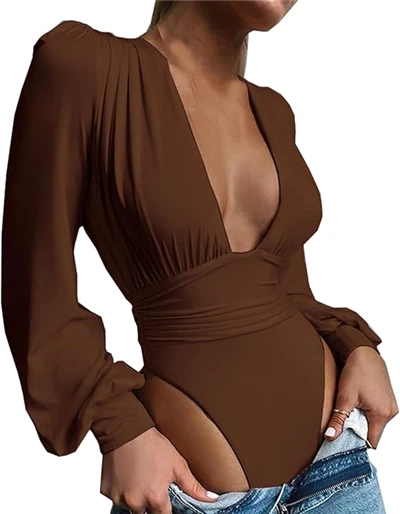
In contrast, other cultures may prioritize freedom of movement and performance. Athletes in these cultures may require sportswear that is lightweight, breathable, and form-fitting to enhance their performance. A Women's Halter Sleeveless Corset Thong Bodysuit Tie Back Textured Fitted is designed to provide support and flexibility, making it suitable for high-intensity sports and activities.
Moreover, cultural activities and sports also influence the functionality of sportswear. For example, in cultures where yoga or meditation is popular, sportswear may need to be stretchy and comfortable to allow for a wide range of poses. On the other hand, cultures with a strong focus on team sports like basketball or soccer may require sportswear that is durable and easy to move in.
Cultural Identity and Branding
Culture can also be a powerful tool for branding women's sportswear. Brands can use cultural elements to create a unique identity and connect with their target audience. By incorporating cultural symbols, stories, or traditions into their designs, brands can appeal to consumers who are proud of their cultural heritage or are interested in exploring different cultures.
For example, a brand that focuses on African-inspired sportswear can use traditional African patterns, colors, and symbols in their designs. This not only gives the sportswear a distinct look but also celebrates the rich cultural heritage of Africa. Customers who identify with African culture or are interested in African fashion may be more likely to purchase sportswear from this brand.
Brands can also use cultural events or festivals as opportunities to launch special collections. For instance, during the Chinese New Year, a sportswear brand could release a collection featuring red and gold colors, which are traditional Chinese New Year colors, along with Chinese zodiac symbols. This can create a sense of excitement and exclusivity around the brand.


Cultural Trends and Consumer Preferences
Cultural trends can have a significant impact on consumer preferences for women's sportswear. As cultures evolve and interact with each other, new trends emerge, and consumers' tastes change. For example, the rise of streetwear culture has influenced the design of women's sportswear. Streetwear is known for its casual, urban style, and it often incorporates elements of hip-hop, skateboarding, and graffiti.
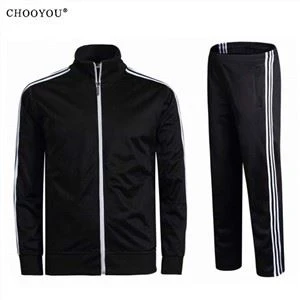
Many women now prefer sportswear that combines functionality with a streetwear aesthetic. This has led to the popularity of items like tracksuits, hoodies, and sneakers in the sportswear market. Brands that can stay ahead of these cultural trends and incorporate them into their designs are more likely to succeed in the competitive sportswear industry.
Social media also plays a role in shaping cultural trends and consumer preferences. Influencers and celebrities from different cultures can showcase different styles of sportswear, which can quickly gain popularity among their followers. For example, a popular fitness influencer who follows a Mediterranean lifestyle may promote sportswear that is inspired by Mediterranean fashion, such as lightweight, breezy fabrics and earthy colors.
Bridging Cultures in Women's Sportswear Design
As a women's sportswear supplier, I believe in the power of bridging cultures in design. By combining elements from different cultures, we can create sportswear that is not only functional and fashionable but also inclusive and representative of the diverse world we live in.
For example, we could take a traditional Japanese kimono pattern and incorporate it into a modern, form-fitting sportswear top. This fusion of cultures can create a unique and eye-catching design that appeals to a wide range of customers. At the same time, we need to be respectful of different cultures and ensure that we are not appropriating cultural elements. It's important to understand the meaning and significance behind these elements and use them in a way that is appropriate and authentic.
Conclusion
In conclusion, culture has a profound influence on women's sportswear design. From aesthetics and functionality to branding and consumer preferences, culture shapes every aspect of the sportswear industry. As a women's sportswear supplier, I'm constantly inspired by the rich diversity of cultures and the opportunities they present for creative design.
If you're interested in exploring our range of women's sportswear that is influenced by different cultures, we'd love to hear from you. Whether you're a retailer looking to stock our products or a consumer interested in purchasing our sportswear, we're here to assist you. Contact us to start a discussion about your sportswear needs and how we can work together to bring the best in women's sportswear to your market.
References
- Hall, E. T. (1976). Beyond Culture. Anchor Press.
- Hofstede, G. (1980). Culture's Consequences: International Differences in Work-Related Values. Sage Publications.
- McCracken, G. (1986). Culture and Consumption: A Theoretical Account of the Structure and Movement of the Cultural Meaning of Consumer Goods. Journal of Consumer Research, 13(1), 71-84.