Hey there, sports enthusiasts! As a supplier of top - notch sports vests, I've been thinking a lot about the question: Do track and field sports vests need to be aerodynamic? Let's dive right into it.
First off, let's talk about what aerodynamics actually means in the context of sports. Aerodynamics is all about how an object moves through the air. In track and field, every fraction of a second counts. Athletes are constantly looking for ways to reduce drag and increase their speed. A vest that's designed with aerodynamics in mind can potentially help them do just that.

Imagine a sprinter running at full speed. The air around them creates resistance, or drag. This drag can slow them down, especially when they're trying to break a personal record or win a race. A well - designed aerodynamic sports vest can smooth out the flow of air around the athlete's upper body, reducing that drag. It's like giving the air a clear path to follow, so it doesn't get all jumbled up and create extra resistance.
But here's the thing. Not all track and field events are the same. For short - distance sprints, like the 100 - meter dash, aerodynamics can make a huge difference. The athletes are moving at incredibly high speeds, and even a small reduction in drag can translate into a significant advantage. On the other hand, for longer - distance events like the 5000 - meter run, the focus is more on endurance and comfort. While aerodynamics still play a role, it's not as crucial as it is in the sprints.
Now, let's take a look at how we, as a sports vests supplier, approach the issue of aerodynamics. When we design our vests, we take into account the different needs of athletes in various track and field events. For our sprint - focused vests, we use special materials that are smooth and have a low coefficient of friction. This means that the air can slide over the vest more easily, reducing drag.
We also pay attention to the shape of the vest. A streamlined design can help direct the air flow in a way that minimizes resistance. For example, we might use a contoured shape that hugs the athlete's body without being too tight. This not only looks good but also helps the air move smoothly around the body.
But we don't just stop at aerodynamics. We know that comfort is equally important. Athletes need to be able to move freely without feeling restricted by their vests. That's why we use high - quality, breathable fabrics that wick away sweat and keep the athletes cool.
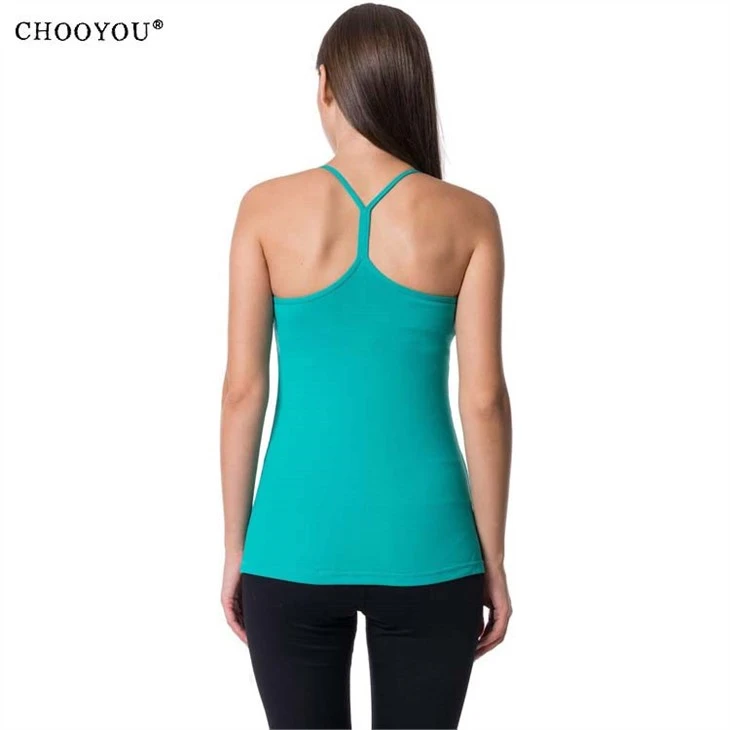
Let's talk about some of our popular products. We have the Narrow Shoulder Belt Low Neck Yoga Tank. This vest is not only stylish but also designed with some aerodynamic principles in mind. The narrow shoulder belt and low - neck design help to reduce the amount of surface area that the air has to push against, which in turn reduces drag. It's a great option for female athletes who are looking for a combination of performance and style.
Another one of our favorites is the Simple Sling Yoga Top Vest. This simple yet effective design is perfect for a variety of track and field events. The sling - style design allows for maximum range of motion, and the smooth fabric helps to minimize air resistance. It's a versatile choice for athletes who want a vest that can perform well in different situations.
And then there's the Yoga Sports Sleeveless U - Shaped Vest. The U - shaped neckline and sleeveless design make this vest very aerodynamic. It also provides excellent ventilation, which is important for keeping athletes cool during intense workouts or races.
So, to answer the question, do track and field sports vests need to be aerodynamic? Well, it depends on the event. For sprints and other high - speed events, aerodynamics can give athletes a real edge. But for longer - distance events, while it's still a factor, comfort and performance in other areas might be more important.
If you're an athlete looking for high - quality sports vests that combine aerodynamics with comfort, or if you're a coach or a team manager looking to equip your athletes with the best gear, we'd love to hear from you. We're always happy to discuss your specific needs and help you find the perfect vests for your team. Whether you're training for a local meet or aiming for the Olympics, we've got the vests to support your performance.
References:
- Pendergast, D. R. (2002). The Physics of Sports. Springer.
- Tihanyi, J., & Kovács, I. G. (2002). Competitive Sports Science and Sports Medicine. Taylor & Francis.