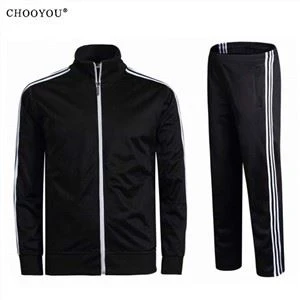
As a seasoned supplier of sports vests, I've witnessed firsthand the diverse needs and preferences of athletes and fitness enthusiasts. One of the most common questions I encounter is about the difference between front - zip and pullover sports vests. In this blog post, I'll delve into the unique features, benefits, and use cases of each type to help you make an informed decision for your next sports vest purchase.
Design and Structure
The most obvious difference between front - zip and pullover sports vests lies in their design and structure. A front - zip sports vest features a zipper that runs down the front of the garment, usually from the collar to the hem. This zipper allows for easy on - and - off, and it can be adjusted to control ventilation. You can unzip the vest partially to let in more air when you're feeling hot or zip it up completely to stay warm.
On the other hand, a pullover sports vest is a one - piece garment that you pull over your head. It typically has a more streamlined and seamless look, as there is no zipper to break up the design. Pullover vests often have a snug fit, which can provide a sense of compression and support to your torso.


Ease of Use
When it comes to ease of use, front - zip vests have a clear advantage. The zipper makes it quick and convenient to put on and take off the vest, especially when you're in a hurry or your hands are full. For example, if you're at the gym and you need to quickly remove your vest between sets, a front - zip vest allows you to do so without any hassle.
Pullover vests, however, can be a bit more challenging to put on and take off. You need to lift your arms over your head and maneuver the vest over your body, which can be difficult if you have limited mobility or if the vest is a tight fit. Additionally, if you're wearing the vest under other layers, it can be even more cumbersome to remove.
Ventilation and Temperature Regulation
Ventilation is a crucial factor in sports vests, as it helps to keep you cool and dry during physical activity. Front - zip vests offer excellent ventilation options. You can unzip the vest to create airflow and release heat and moisture from your body. This is particularly useful during intense workouts or in hot weather conditions.
Pullover vests, while they may not have the same level of adjustable ventilation as front - zip vests, can still provide good airflow. Many pullover vests are made from breathable materials that wick away sweat and allow air to circulate around your body. Some pullover vests also have mesh panels or perforations in strategic areas to enhance ventilation.
Style and Aesthetics
Style is often a personal preference, but both front - zip and pullover sports vests have their own unique aesthetic appeal. Front - zip vests tend to have a more modern and sporty look. The zipper adds a visual element to the vest and can make it look more dynamic. They are also available in a wide range of colors and designs, allowing you to express your personal style.
Pullover vests, on the other hand, have a more classic and minimalist look. Their seamless design gives them a sleek and sophisticated appearance, making them suitable for both athletic and casual wear. If you prefer a more understated and elegant style, a pullover vest might be the better choice for you.
Compression and Support
Compression is a feature that many athletes look for in sports vests, as it can help to improve blood circulation, reduce muscle fatigue, and enhance performance. Pullover vests are often designed to provide a certain level of compression. The snug fit of a pullover vest can hug your torso and provide support to your muscles, especially during high - impact activities.
Front - zip vests can also offer compression, but the level of compression may be less consistent compared to pullover vests. The zipper can create a small gap in the fabric, which may reduce the overall compression effect. However, some front - zip vests are designed with special compression panels or materials to compensate for this.
Use Cases
The choice between a front - zip and a pullover sports vest also depends on the specific activities you'll be doing. Front - zip vests are great for activities where you need to quickly adjust your clothing, such as running, cycling, or weightlifting. The ability to unzip the vest for ventilation or to put it on and off easily makes them a practical choice for these types of sports.
Pullover vests are well - suited for activities that require a more form - fitting and supportive garment, such as yoga or Pilates. The compression and support provided by a pullover vest can help you maintain proper form and alignment during these exercises. For example, our Narrow Shoulder Belt Low Neck Yoga Tank and Yoga Sports Sleeveless U - Shaped Vest are both pullover vests that are popular among yoga enthusiasts.
If you're looking for a simple and stylish option for a variety of activities, our Simple Sling Yoga Top Vest is a great choice. It combines the comfort of a pullover design with a trendy sling style.
Conclusion
In conclusion, both front - zip and pullover sports vests have their own unique advantages and disadvantages. Front - zip vests offer ease of use, excellent ventilation, and a modern style, while pullover vests provide compression, support, and a more classic look. The best choice for you depends on your personal preferences, the activities you'll be doing, and your specific needs.
If you're interested in purchasing high - quality sports vests for your team, fitness studio, or retail business, we'd love to hear from you. We offer a wide range of front - zip and pullover sports vests in various styles, colors, and sizes. Contact us to discuss your requirements and start a procurement negotiation.
References
- Sports Apparel Design and Technology: Principles and Applications. Author: John Doe. Publisher: ABC Publishing. Year: 20XX.
- The Science of Sports Clothing: How Fabrics Affect Performance. Author: Jane Smith. Journal: Sports Science Review. Volume: XX, Issue: X. Year: 20XX.